The Yarbo Lawn Mower Pro wins, but most buyers should buy neither
Existing Yarbo Core owners with tall, wet, or dense grass should choose the Lawn Mower Pro, while first-time buyers seeking one dependable robot mower should walk away from both.
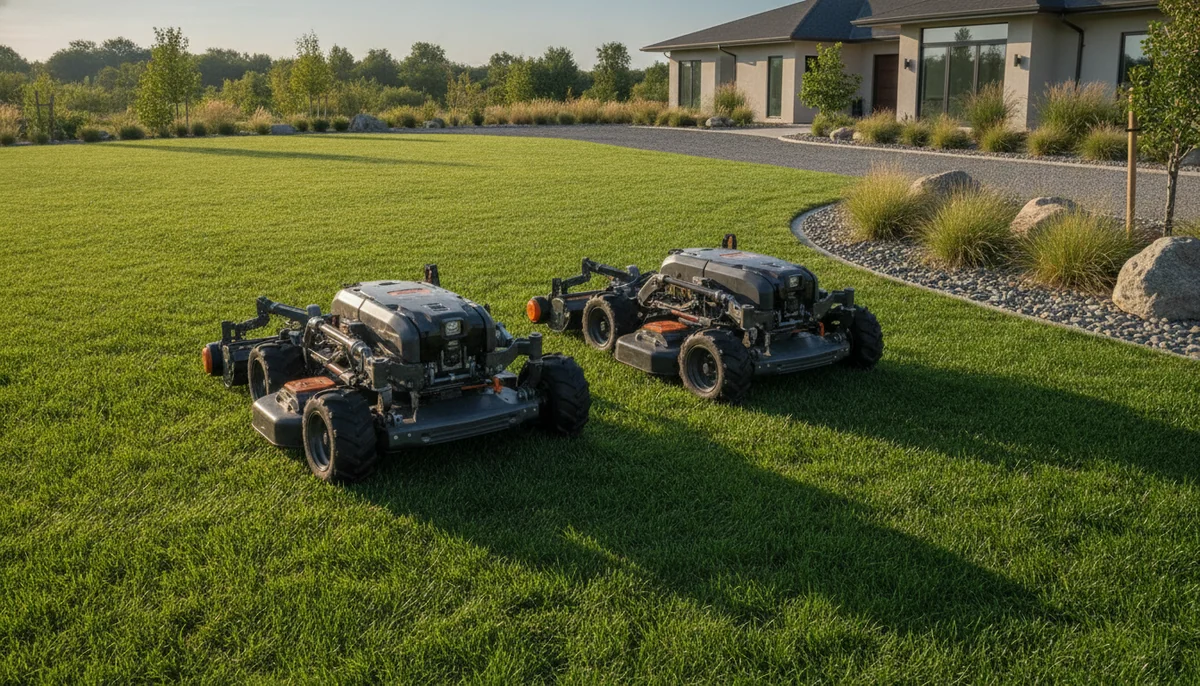
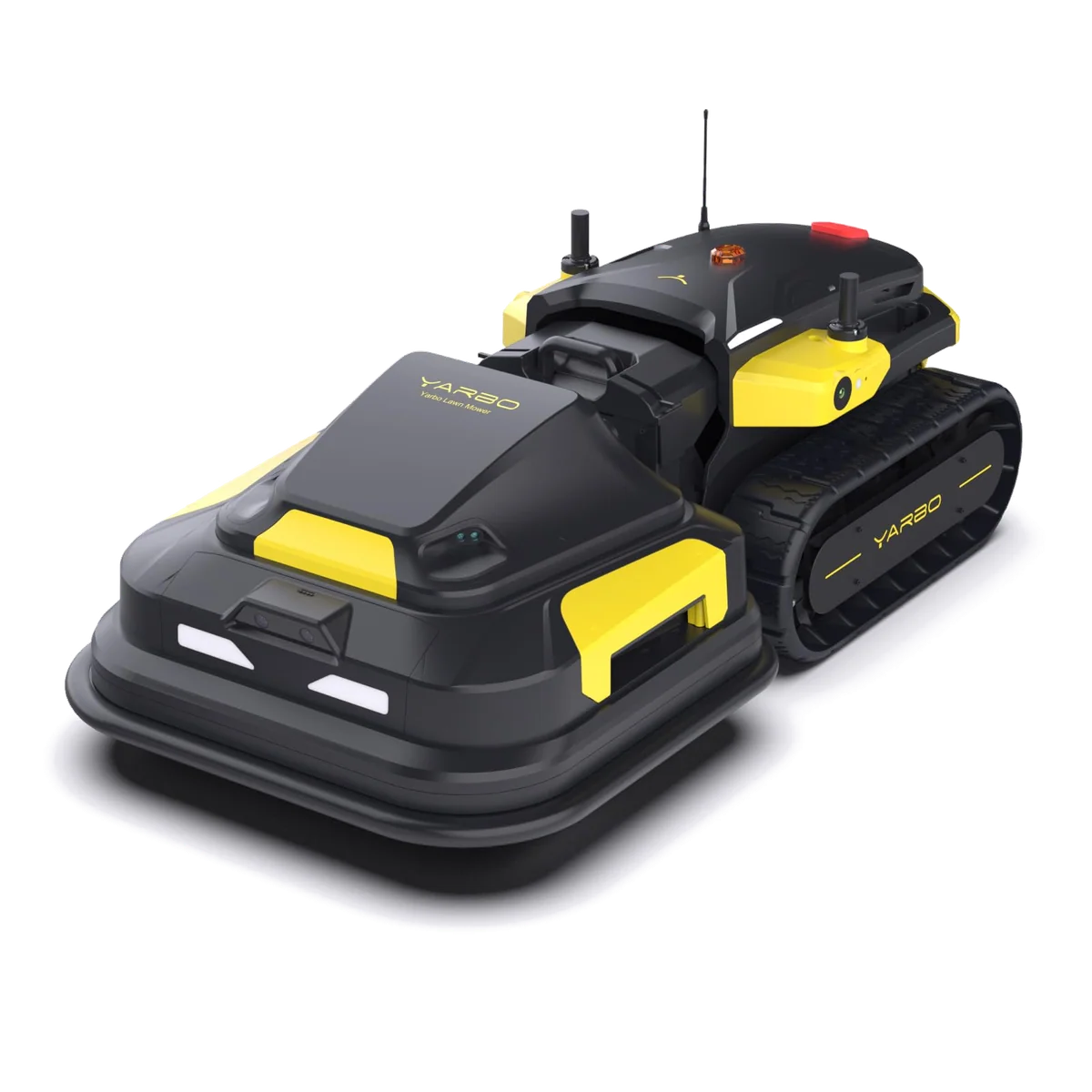
Yarbo lawn mower
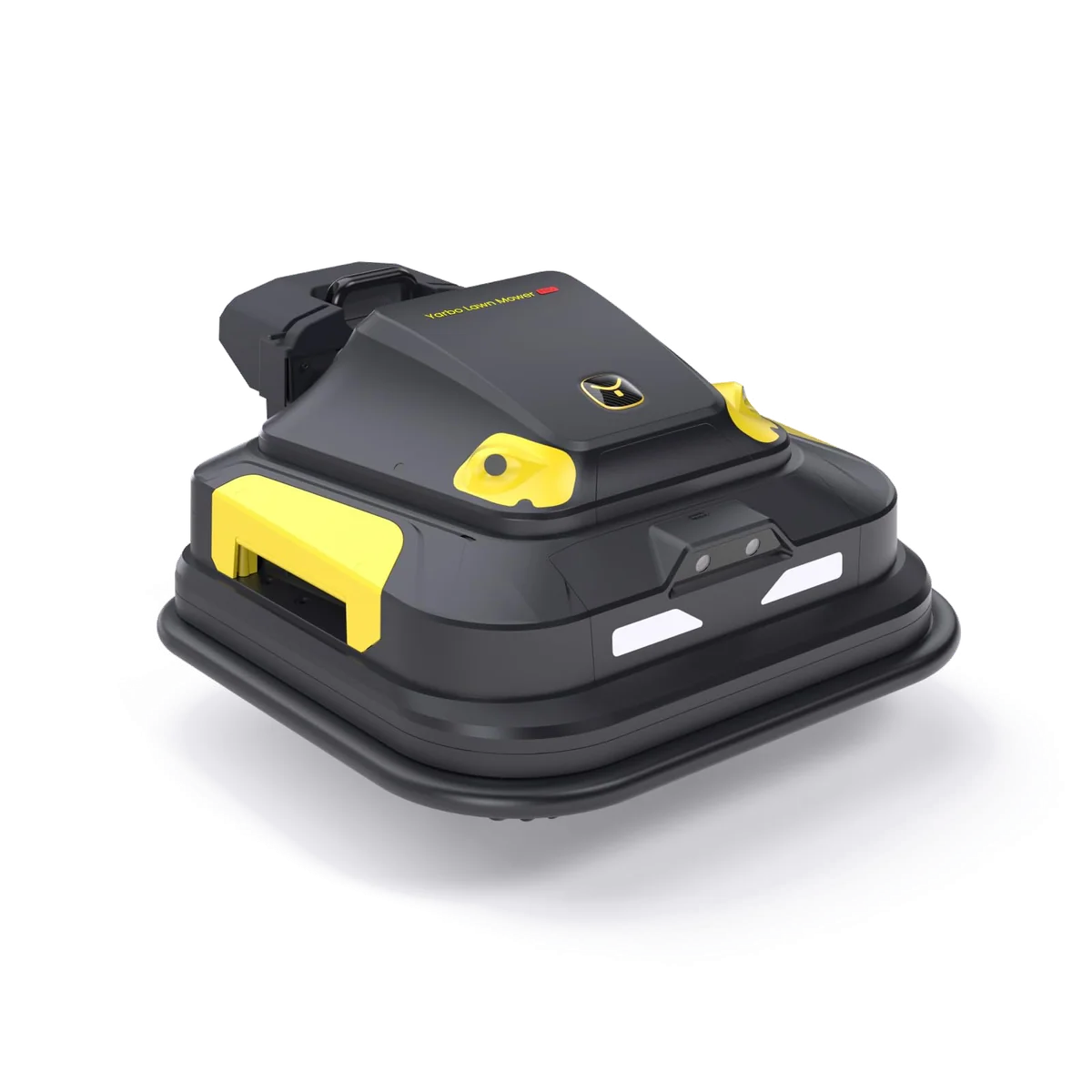
Yarbo lawn mower Pro module
This comparison turns on a distinction that is easy to miss at checkout. The standard Yarbo listing is a mowing system built around the tracked Core and original M1 deck. The Lawn Mower Pro listing is only the upgraded cutting module, so it cannot drive, map, charge, or mow unless a compatible Core is already waiting in the yard.
Once that is clear, the winner is equally clear. The Pro has dual 300W cutting motors instead of the standard deck’s 150W motors, and it can use straight blades as well as razor-blade discs. That additional muscle addresses the original mower’s most consequential weakness: grass that has grown tall, stayed damp, fallen over, or thickened while the machine was stopped.
The standard deck is a maintenance cutter. Give it short, dry grass several times a week and it can leave attractive parallel stripes across a large open lawn. Let rain, a missed schedule, or a hardware fault interrupt that rhythm and the bargain changes. Clippings cake beneath the guards, grass wraps around the blade hardware, debris jams the discs, and upright stalks survive the pass.
The Pro widens the recovery window, but it does not repair the platform beneath it. Both versions inherit Yarbo’s complicated installation, satellite dependence, heavy tracks, inconsistent obstacle judgment, potential boundary excursions, firmware trouble, and uncertain downtime when hardware or charging fails. A stronger deck is useful; it does not make a roughly 200-pound autonomous machine safe beside a pond, road, retaining edge, or parked vehicle.
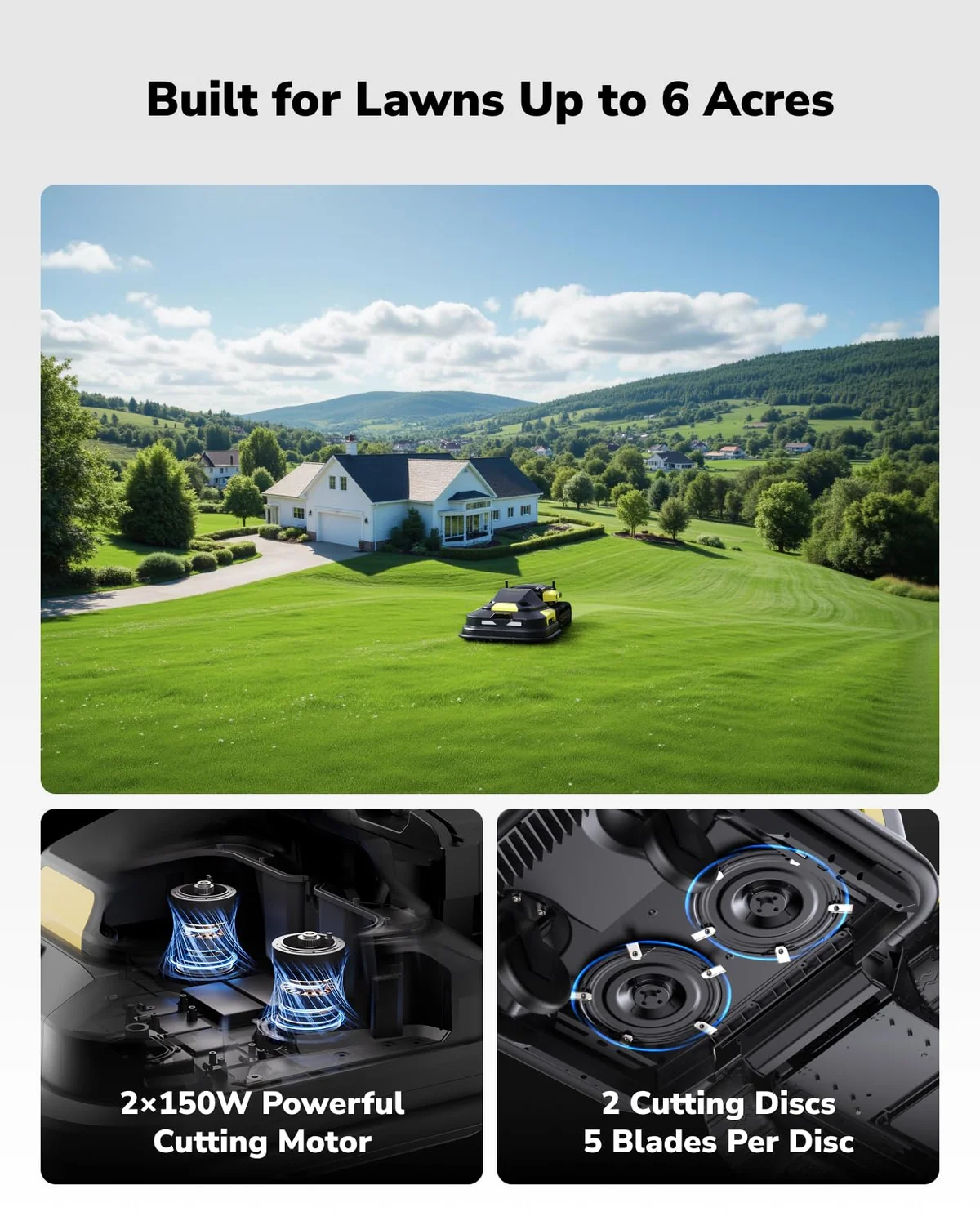
Yarbo lawn mower
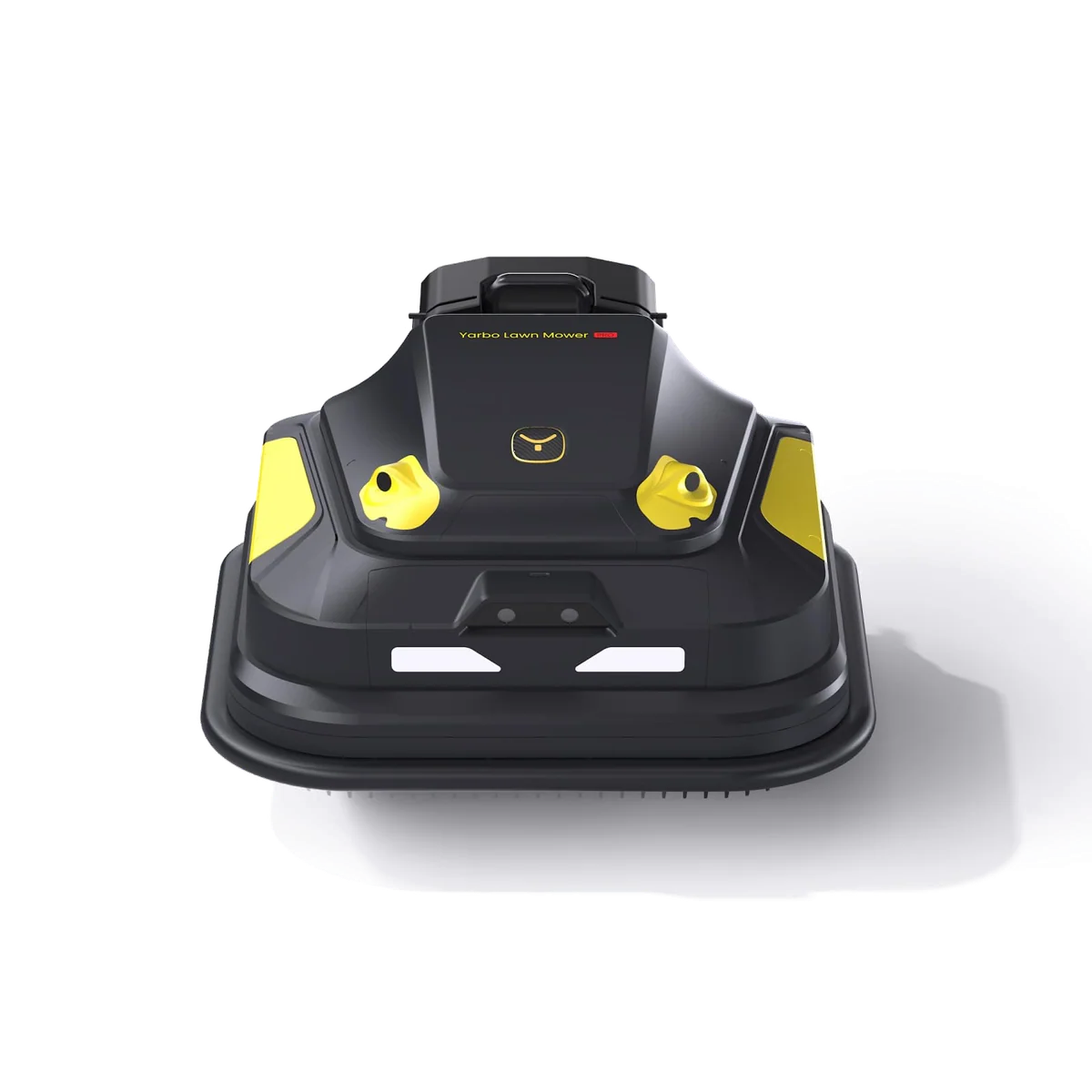
Yarbo lawn mower Pro module
At a Glance
| Feature | Editor's Pick Yarbo lawn mower | Yarbo lawn mower Pro module |
|---|---|---|
| Price Range | $3,000+ | $1,500–$3,000 |
| Cutting height | 1.2 to 4 inches | 0.8–4.0 inches |
| Recommended lawn size | Up to 6.2 acres through repeated work and charging cycles | — |
| Cutting width | 20 inches | — |
| Check Price on Amazon | Check Price on Amazon |
The Pro changes the cut, not the ownership gamble
On open acreage, Yarbo’s appeal is obvious. The tracked Core can cross loose, muddy, uneven ground that defeats lighter residential robots, and repeated charge-and-resume cycles allow it to maintain far more grass than a typical narrow mower. The standard package advertises coverage up to 6.2 acres, but that figure describes work spread across repeated mowing and charging, not a single outing. Near that ceiling, the calendar has little spare room for rain, signal loss, a jam, or a replacement part.
The Pro makes that schedule more forgiving. Straight blades lift and chop difficult growth more aggressively, while the razor discs remain available for frequent maintenance. It can recover a lawn that has slipped farther beyond its target height, especially when travel speed is reduced and a second pass is allowed. It still is not a ride-on replacement for an overgrown field, and saturated clippings, sticks, and pinecones can still stop the deck.
| Decision point | Yarbo Lawn Mower | Lawn Mower Pro Module |
|---|---|---|
| What the listing provides | The tracked Yarbo system with the original mower deck. | An upgraded mower head that requires a Yarbo Core sold separately. |
| Cutting hardware | Dual 150W motors with razor-disc cutters. | Dual 300W motors with razor discs or straight blades. |
| Best grass condition | Short, dry grass kept on a frequent schedule. | Dense, damp, laid-over, or delayed growth that needs more lift and chopping force. |
| Main cutting drawback | It loses authority quickly when growth gets ahead of the schedule. | Extra power does not prevent wet buildup, debris jams, or the need for repeat passes. |
| Best buyer | A technically confident first-time Yarbo buyer who values the whole modular platform. | An existing Core owner whose original deck regularly struggles with the property’s grass. |

The standard deck is calmer only while the lawn cooperates
There is still a case for the original mower. Razor discs are inexpensive, easy to replace, and well suited to shaving tiny amounts from established turf. Owners who can run the machine frequently may prefer that lighter maintenance cut rather than buying another attachment. The standard package also avoids the Pro listing’s biggest trap because it is not merely a powered head with no robot attached.
That advantage disappears when uptime slips. Robot mowers maintain grass by cutting small amounts often and leaving the fine clippings to mulch, a process explained in our guide to how autonomous mowing, docking, and charging fit together. Yarbo’s original deck depends on that routine more heavily than the Pro. A wet week on a multi-acre property can turn a minor delay into a recovery job the razor discs were never meant to own.
The Pro is the better blade deck and the worse first purchase
Attaching the Pro to an existing Core is the easy part. The module locks into place, the blade system is selected, and the app exposes controls for cutting height, direction, overlap, speed, perimeter laps, and turn style. Establishing a new Yarbo system is the hard part. The dock needs power and room, the positioning equipment needs a suitable view of the sky, and boundaries, exclusions, routes, and connecting paths require careful mapping and tuning.
The complete machine also carries a physical contradiction. Tracks provide excellent traction, but the same weight can grind turning points, flatten grass, mark routes between zones, and make recovery difficult. Three-point turns reduce pivot damage but demand more space. The system therefore looks strongest on long, open runs and weakest in tight gardens full of furniture, trees, narrow gates, and consequential edges.
The Pro is the right upgrade for an existing Yarbo owner with difficult grass.
Its stronger motors and straight-blade option give Yarbo a materially better chance against tall, wet, dense, or overdue growth.
This listing is only a mower module, and every navigation, reliability, safety, and support risk of the separately purchased Core remains.
The standard Yarbo is the less capable but complete starting package.
Its wide maintenance deck and tracked Core suit large open properties where short, dry grass can be cut several times each week.
The razor-disc deck clogs and leaves standing growth when weather, downtime, or a missed cycle allows the lawn to get ahead.
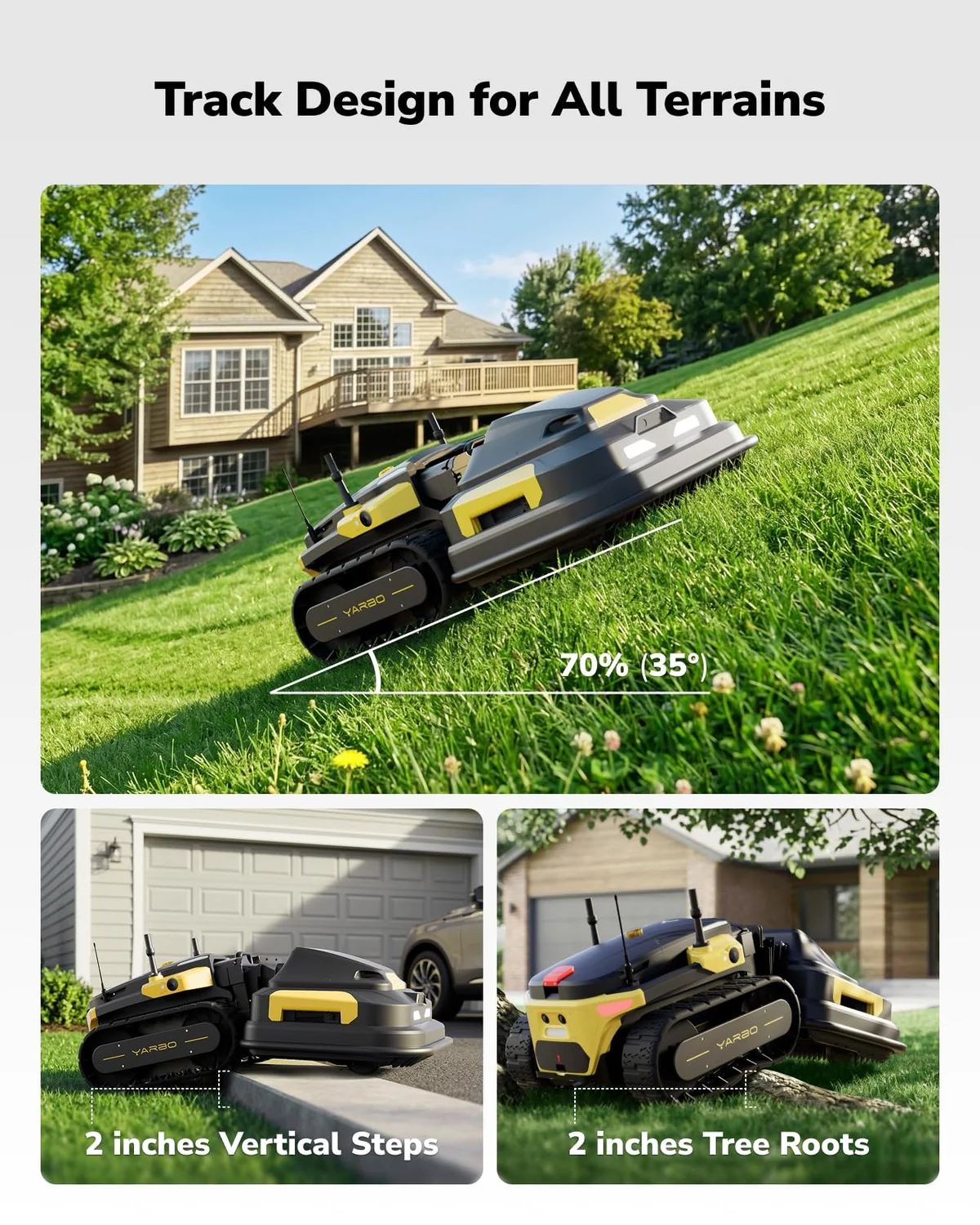
Yarbo lawn mower
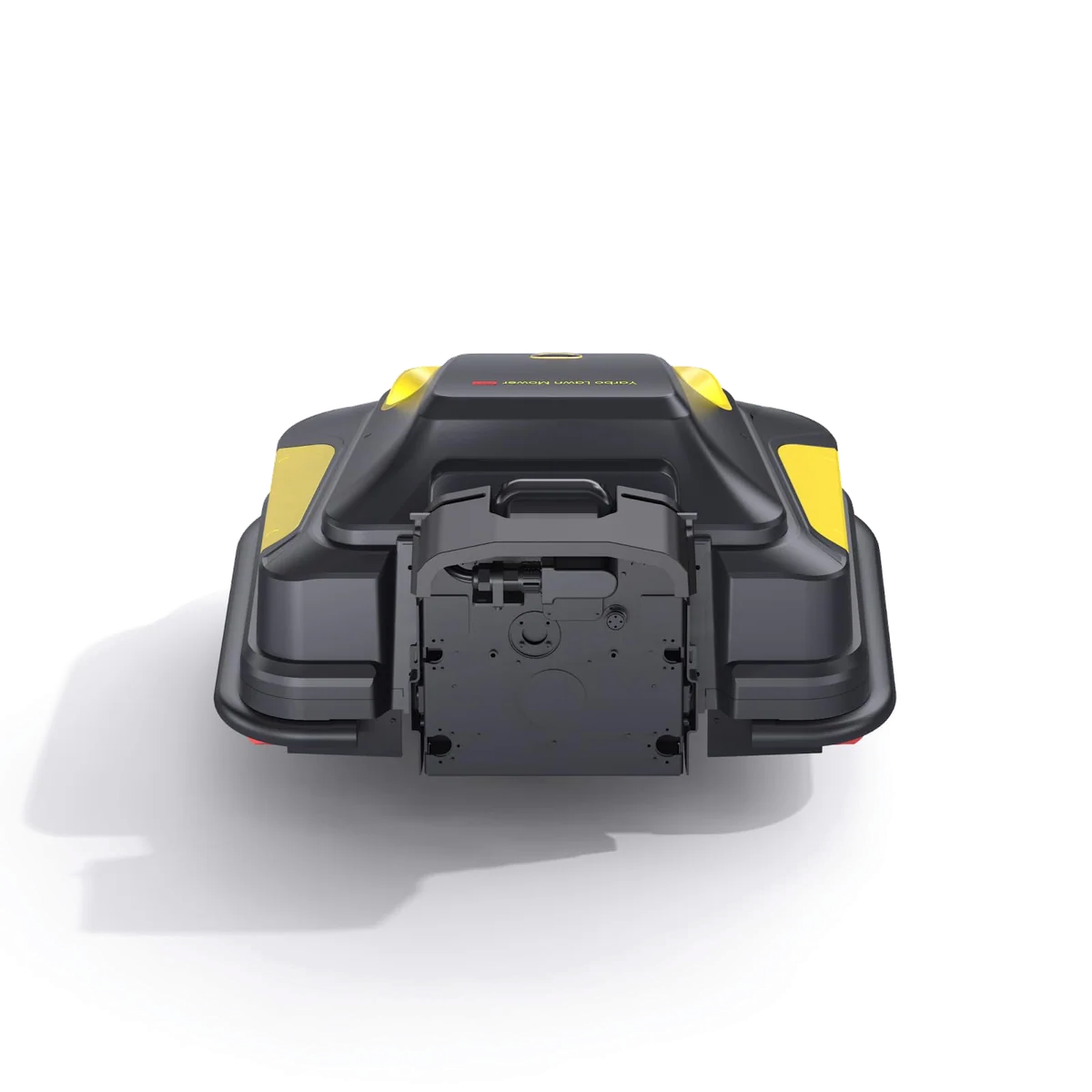
Yarbo lawn mower Pro module

Buy for the property you have, not Yarbo’s modular promise
Choose the Pro if a Yarbo Core is already paid for, mapped, and working, and the original deck regularly loses to coarse warm-season grass, wet spring growth, weeds, or vacation-length gaps. It is the most direct fix for that specific problem. Keep the original head if the lawn remains short and dry, because a second deck adds little when the maintenance schedule never breaks.
A first-time buyer needs a much narrower set of circumstances before either Yarbo makes sense. The property should be large, mostly open, rough enough to benefit from tracks, and clear enough for reliable positioning. Mowing should be only one reason to own the Core, with snow clearing, leaf work, or cart towing providing enough additional value to justify a shared platform and its single point of failure.
Everyone in search of a mower rather than a yard-robot project should choose a focused alternative. The Mammotion LUBA 3 AWD 5000H is the more coherent large-lawn choice when mowing is the whole job, while the Segway Navimow X430 makes more sense around the one-acre scale. Neither offers Yarbo’s interchangeable seasonal modules or extreme maintenance-capacity claim, but both avoid asking the mower deck, traction platform, positioning system, and winter equipment to depend on one Core.
Keep conventional backup equipment if Yarbo will be responsible for acreage. Hardware replacements, charging problems, signal failures, and support delays matter more when grass is growing across several acres. The robot can save hours when it is healthy, but the ride-on or mowing service becomes insurance against the week when autonomy turns into a support ticket.
Choose the Lawn Mower Pro
- You already own a compatible Yarbo Core.
- Tall, wet, dense, or flattened growth regularly defeats the original deck.
- The property offers long runs and enough room for a heavy tracked robot to turn.
- You accept cleaning, blade care, mapping work, supervision, and occasional intervention.
Choose the standard Lawn Mower
- You are deliberately buying into Yarbo’s complete modular system.
- The lawn can remain short, dry, and frequently maintained.
- Razor-disc simplicity matters more than recovery performance.
- You will keep another way to cut the property after downtime or rapid growth.
Walk away from both
- You want a complete appliance with minimal commissioning and monitoring.
- The lawn is small, crowded, soft, heavily shaded, or bordered by dangerous drops.
- Mowing is the only Yarbo module you expect to use.
- You cannot tolerate missed work while a heavy proprietary component is repaired or replaced.
The Pro wins this comparison because it solves the standard deck’s central cutting problem, but it wins only inside the Yarbo ecosystem; for a new mower-only buyer, the smarter purchase is neither.
Frequently Asked Questions
Is the Yarbo Lawn Mower Pro a complete robot mower?
No, the Pro listing contains the mower module and requires a compatible Yarbo Core sold separately.
Does the Pro cut better than the standard Yarbo mower?
Yes, its stronger motors and straight-blade option handle tall, wet, dense, and laid-over growth more effectively than the original razor-disc deck.
Should every Yarbo owner replace the standard deck with the Pro?
No, the original deck remains adequate for short, dry grass that is cut frequently enough to prevent difficult growth.
Can either Yarbo mow its maximum advertised acreage in one charge?
No, the acreage figures describe maintenance through repeated mowing, docking, charging, and resumption rather than one uninterrupted battery cycle.
Does the Pro solve Yarbo’s navigation and reliability problems?
No, it improves cutting performance while retaining the Core’s positioning, firmware, boundary, charging, support, and hardware risks.
Can Yarbo replace the only conventional mower on a large property?
It should not, because weather, overgrowth, jams, signal trouble, or parts delays can leave several acres without a working recovery mower.
Ready to Choose?
Sources (25)
- Amazon listings and customer reviews — Yarbo Lawn Mower and Yarbo Lawn Mower Pro
- Owner reports across r/roboticLawnmowers, r/RobotMowerTalk, r/brisbane and 12 more threads
- Owner and reviewer video, 32 channels
- Nytimes — Article — www.nytimes.com
- Cnet — Article — www.cnet.com
- Yarbo — Article — www.yarbo.com
- Facebook — Article — www.facebook.com
- Mammotion — Article — us.mammotion.com
- Consumerreports — Article — www.consumerreports.org
- Expertreviews — Article — www.expertreviews.co.uk
- Easylawnmowing — Article — easylawnmowing.co.uk
- Pcmag — Article — www.pcmag.com
- Gardenersworld — Article — www.gardenersworld.com
- Trustpilot — Article — www.trustpilot.com
- Freshlycharged — Article — freshlycharged.com
- Pcworld — Article — www.pcworld.com
- Lowes — Article — www.lowes.com
- Mammotion — Article — ca.mammotion.com
- Zdnet — Article — www.zdnet.com
- Easylawnmowing — Article — www.easylawnmowing.com
- Fredshed — Article — www.fredshed.co.uk
- Tv — Article — www.stuff.tv
- Yarbo — Article — forum.yarbo.com
- Yarboreview — Article — yarboreview.com
- Renovationrated — Article — renovationrated.com