Yarbo’s Pro mower head cuts difficult grass, but the Core is the catch.
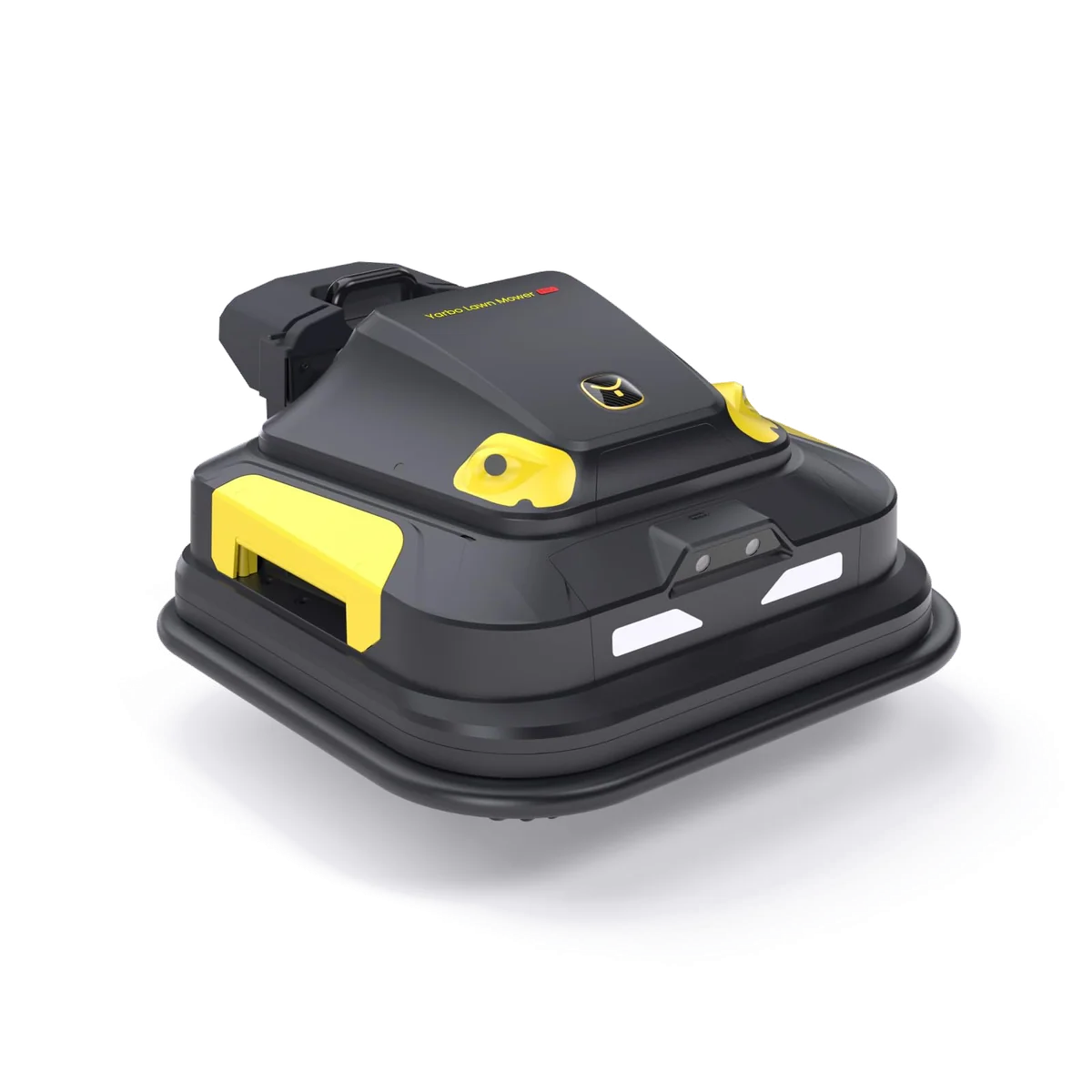
Buy the Lawn Mower Pro Module if you already own a Yarbo Core and regularly fight dense or delayed growth, but everyone seeking a complete, dependable robot mower should look elsewhere.
A powerful upgrade with an unfinished platform attached
Yarbo built the right deck for the weakness of its original mower. The Pro’s stronger motors and straight blades make a visible difference in grass that is tall, wet, dense, or overdue, while the razor discs remain available for routine maintenance. On open acreage, its wide path and precise striping can make conventional mowing feel like a poor use of an afternoon.
The recommendation stops at existing, technically patient Yarbo owners because the rest of the system is still the larger gamble. This module cannot move without the separately purchased Core, and the complete machine’s navigation judgment, firmware stability, support response, and parts supply do not yet match the confidence inspired by its hardware.
The most important part of this mower is the part that is not in the box. This listing contains the Lawn Mower Pro Module, essentially Yarbo’s powered mowing head. It does not contain the tracked Yarbo Core needed to move it, navigate the property, dock, charge, or do any mowing at all. One buyer had already prepared a charging station before discovering that the purchase was only half of the machine.
That distinction changes the review. For an existing Yarbo owner, the Pro is a direct deck upgrade with a convincing purpose: it gives difficult grass a harder, more mower-like cut than the original module. For a first-time buyer, it is an entry ticket to a much larger system whose real cost, setup burden, and failure points extend far beyond this box.
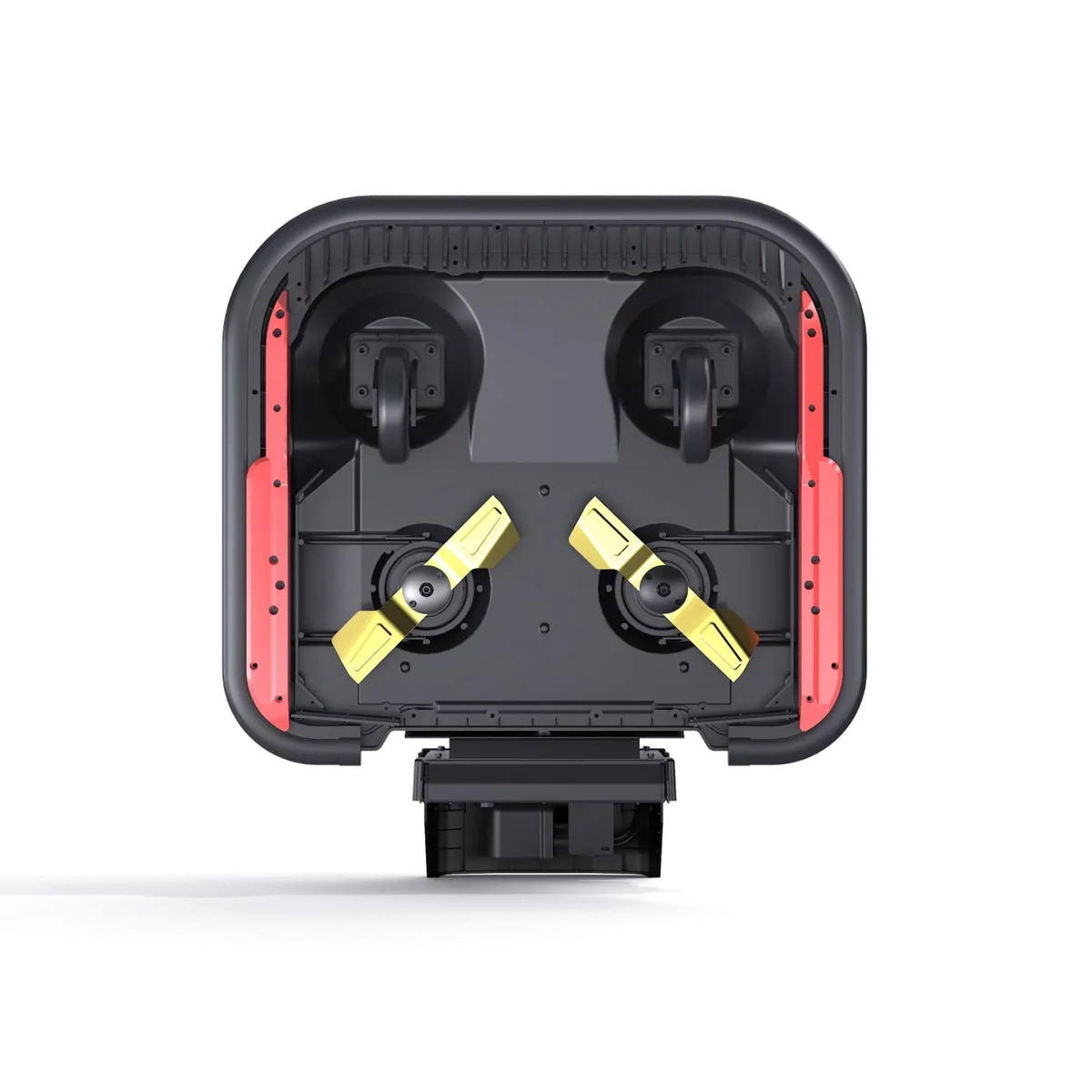
The hardware itself is compelling. Two 300W cutting motors replace the standard module’s 150W motors, and the deck accepts either dual five-razor discs or two high-carbon-steel straight blades. The razor discs suit frequent maintenance cutting. The straight blades add lift and chop longer clippings more aggressively, which is exactly what the original Yarbo deck lacked when rain or a missed schedule allowed the lawn to get ahead.
Key Specifications
The deck is stronger than the system controlling it
The app offers meaningful control over height, speed, mowing direction, pattern, perimeter laps, obstacle proximity, and turn behavior. Firmware has also improved some path planning, including the untidy diagonal cleanup routes once triggered by trees. This is capable software when a map, signal, and schedule are behaving.
It is not consistently appliance-like software. GPS interruptions, failed schedule saves, app disconnects, remapping, blade-speed errors, and updates that introduce fresh faults recur across the ownership record. Yarbo can become impressively autonomous on a compatible property, but getting there may require signal troubleshooting, map revisions, setting changes, and community knowledge that a normal mower buyer would reasonably expect the product to handle.
Setup has two very different layers. Attaching the Pro head to an existing Core is straightforward: fit the module, lock its two levers, confirm the blades, and select it in the app. Establishing a new Yarbo system is more involved because boundaries, routes, no-go areas, docking behavior, and positioning all need to work together.
Yarbo describes both cloud-provided NetRTK without a local base and a Data Center that acts as a local RTK base. The supplied information does not establish which option, regional access, or subscription arrangement applies to every buyer of this module. Confirm the positioning method before ordering, particularly if the only practical Data Center location would require an awkward Ethernet run.
A virtual line is not a safety fence
Yarbo can follow curbs precisely, preserve stripe alignment around no-go areas, and navigate around trees. It has also crossed programmed boundaries, pushed substantial objects, driven over toys, damaged beds, and fallen from raised decks. Those failures are too consequential to dismiss as setup trivia.
Do not rely on a drawn boundary as the only protection beside a pond, retaining edge, road, terrace, pool, or drop. Leave a generous physical margin, add no-go zones, clear objects before each run, and supervise the machine until its behavior on that exact property is predictable. A powerful tracked robot deserves more caution than a lightweight mower that merely gets stuck against a flowerpot.
Tree cover and buildings add another variable. Yarbo can buffer its position through some weak-signal areas, and successful mowing beneath trees is possible, but dense cover and hemmed-in edges have also caused stops and remapping. Readers dealing with that kind of property should start with the broader guide to robot mowers for trees, buildings, and poor satellite reception rather than assuming the Pro’s tracks solve a positioning problem.
Strengths & Limitations
Strengths
- Dual 300W motors and straight blades cut and mulch difficult growth more effectively than the standard Yarbo module.
- The broad dual deck produces crisp stripes and covers open acreage efficiently over autonomous charge cycles.
- Tracked traction, two blade systems, and a 0.8–4.0-inch height range give the Pro an unusually wide working envelope.
Limitations
- The listing is only a mower module, so it cannot function without a separately purchased Yarbo Core and supporting system.
- Boundary excursions and inconsistent obstacle avoidance make virtual maps inadequate as sole protection near water or drops.
- Firmware faults, signal trouble, jams, turf wear, and uncertain parts turnaround can erase the time saved by autonomous cutting.
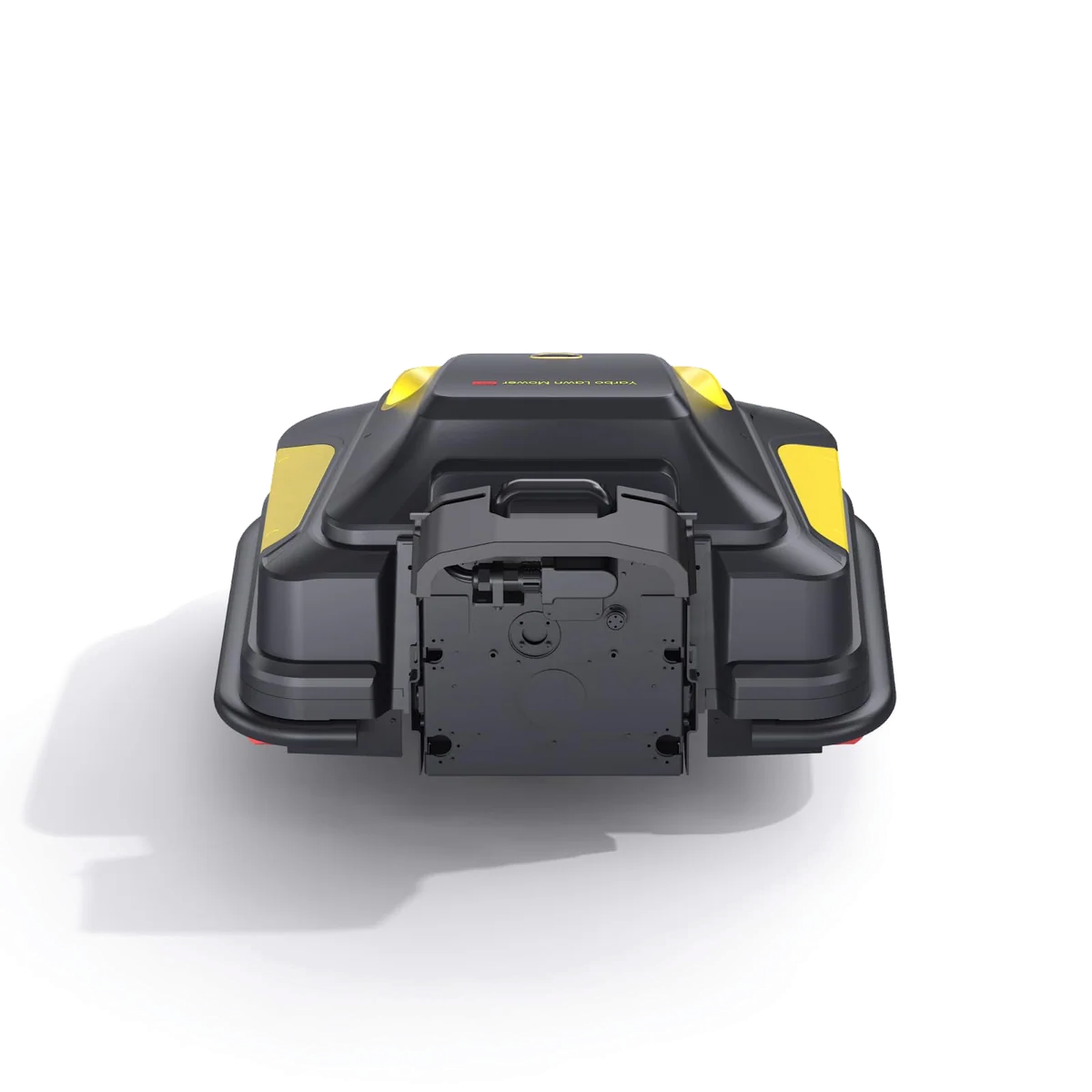
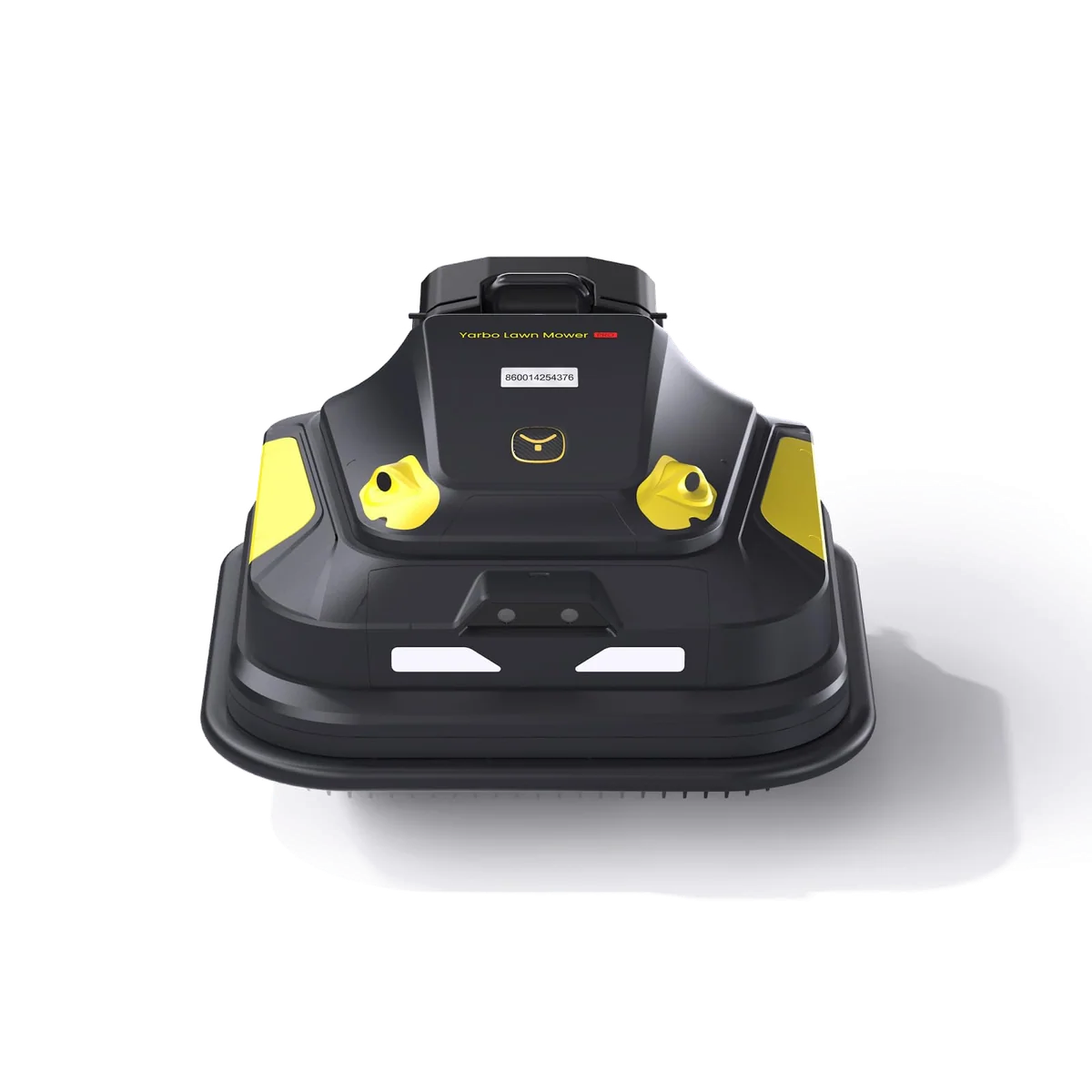
The Pro earns its name when the grass stops cooperating
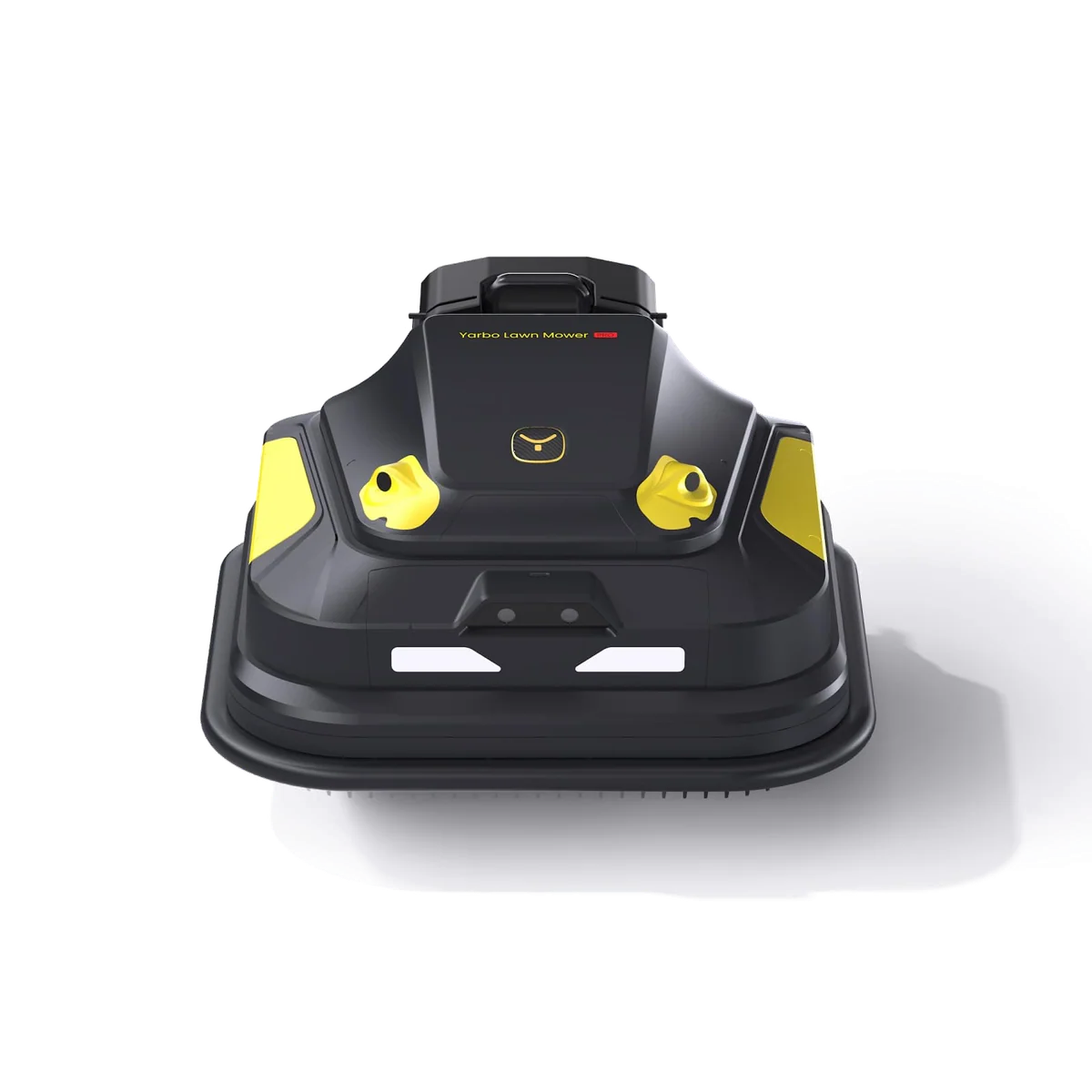
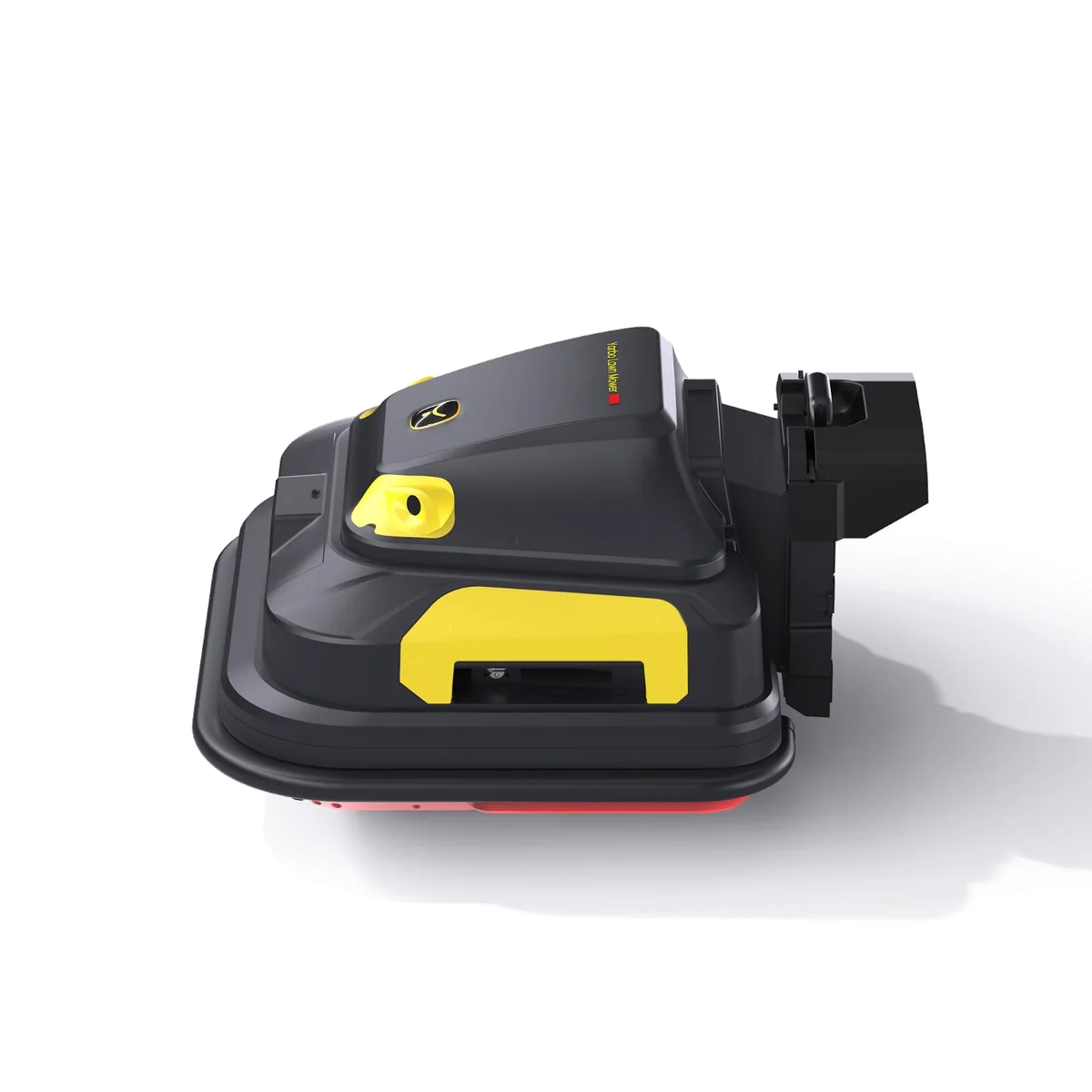
On a large, open lawn, the Pro can leave remarkably straight stripes while its broad dual-deck path covers ground that would keep a narrow single-disc robot busy for much longer. Thick spring growth, weeds, and grass left standing after rain are where the extra motor power matters. The straight blades lift laid-over growth better and mulch more finely than conventional pivoting razors.
It is not a weekly rescue mower in robotic clothing. A fast first pass can leave stalks standing, while a slower second pass transforms the result. During rapid growth, a cycle every few days remains the sensible operating pattern. Travel speed, overlap, blade sharpness, and mowing cadence all affect the finish, so the Pro expands the conditions Yarbo can handle rather than abolishing the usual rules of robot mowing.
Wet-weather capability needs the same qualification. IPX6 weather resistance protects the machine from water, but it does not make soaked grass pleasant to cut. Damp, tall growth is a genuine Pro advantage over the standard module; saturated clippings can still cake beneath the deck, form clumps, increase cleaning, and contribute to obstruction alerts. Pine cones and sticks can jam the mechanism, and Yarbo’s promise of uninterrupted, clog-free mowing does not survive ordinary yard debris.
Tracks solve traction and create another problem
The tracked Core gives this deck unusual authority on rough ground and slopes within Yarbo’s stated 70% grade limit. It also makes the complete machine extremely heavy. Recovery is not a casual one-person lift, and repeated pivots can flatten or tear turf around the dock, narrow entrances, and habitual routes between zones.
Three-point turns are gentler than tank turns but need more room and can press uncut grass down before the blades reach it. Tight gardens therefore expose the mismatch between Yarbo’s acreage ambitions and its physical bulk. The Pro looks most convincing when it can settle into long runs, not when it must negotiate a patio chair, three trees, and a narrow side passage every few yards.
Who should actually buy the Pro module
The upgrade makes sense for an existing Core owner whose standard mower loses the argument with tall, wet, dense, or fast-growing grass. It is also the better Yarbo head for an acreage property where a missed cycle creates tough “vacation grass” and where the wide deck can work in long, open lanes. The standard Yarbo and Pro comparison separates that recovery advantage from the finer maintenance cut some owners still prefer from the original razor-disc module.
The case weakens on a small, orderly lawn. Yarbo’s size, tracks, mapping burden, and modular platform are expensive answers to a job that a purpose-built mower can perform with less drama. The ECOVACS GOAT A2000 LiDAR PRO is the more sensible rival when easier LiDAR mapping and edge work matter more than extreme acreage, tracked traction, or year-round attachments.
For a large property, the Pro beats most narrow residential robots on cutting width, striping, rough-ground confidence, and recovery from difficult growth. A conventional ride-on still beats it when an overgrown field needs one decisive pass, when every obstacle demands human judgment, or when downtime is unacceptable. The Pro reduces mowing labor; it does not eliminate string trimming, yard inspection, cleaning, or the need for a backup plan.
Only after accepting the module-only purchase, the boundary risk, and the early-adopter workload does the buying case become coherent. Existing Core owners with the right grass problem should choose the Pro. First-time Yarbo buyers should evaluate the complete platform through the full Yarbo mower review, not judge the commitment by this attachment alone.
Uptime decides whether Yarbo saves time
The best version of ownership is persuasive. Yarbo leaves the dock, cuts several acres over repeated charge cycles, and resumes automatically while the owner handles only occasional trimming, cleaning, and blade work. Some large-property owners have gone a season without manually mowing, and the wide deck can return hours that a ride-on would otherwise consume every week.
The worst version reverses the calculation. Boundary rescues, jams, heat interruptions, GPS failures, replacement hardware, and slow support can consume more attention than manual mowing. Reports of excellent, immediate help sit beside long, disjointed cases involving contradictory answers or delayed parts. Hardware faults hurt more on acreage because the grass keeps growing while the only mower waits for a component.
Maintenance is not excessive, but it is not negligible. Wet buildup must be removed, cameras and sensors need cleaning, tracks require inspection and lubrication, and blade condition matters. Razor blades can be flipped before replacement; straight blades must be installed on their correct left and right sides because reversing them can produce a machine that appears to mow while barely cutting.
The two-year limited warranty offers a clearer ownership fact than any guessed life-expectancy number. Yarbo also advertises an extension in selected regions, but eligibility can depend on where the system was bought. Verify warranty coverage for an Amazon purchase before committing, and keep the packaging until the return window has safely passed.
Frequently Asked Questions
Is this listing a complete Yarbo robot mower?
No, it contains the Lawn Mower Pro Module and requires a compatible Yarbo Core sold separately.
Is the Pro module worth replacing the standard Yarbo mower head?
Yes for tall, wet, dense, or frequently overgrown grass, but the standard razor-disc module can remain the better-value choice for a lawn already kept on a frequent schedule.
Can the Yarbo Pro mow six acres on one charge?
No such one-charge performance is supported, because six acres is a property-capacity claim and large mowing plans require automatic charging and resumption.
Can it mow safely beside a pond or steep drop?
Not with a virtual boundary as the only safeguard, so consequential edges need generous setbacks, no-go zones, physical protection, and supervision.
Do the straight blades always give a better cut?
No, they improve lift and mulching in difficult growth, while correct left-right installation, sharpness, slower travel, frequent mowing, and repeat passes still determine the finish.
Does the Pro eliminate manual lawn work?
It can remove most cutting from a suitable large lawn, but edging, string trimming, debris checks, cleaning, maintenance, and occasional rescues remain.
Sources (9)
- Amazon listings and customer reviews — Yarbo Lawn Mower Pro
- Owner reports across r/Yarbo, r/roboticLawnmowers, r/berkeleyca and 4 more threads
- Owner and reviewer video, 4 channels
- Yarbo — Article — www.yarbo.com
- Trustpilot — Article — www.trustpilot.com
- Freshlycharged — Article — freshlycharged.com
- Yarbo — Article — forum.yarbo.com
- Facebook — Article — www.facebook.com
- Renovationrated — Article — renovationrated.com