The Navimow i110N beats the i105N because battery headroom is never wasted.
Buy the i110N unless the mowable grass is comfortably under one-eighth acre and the i105N is meaningfully cheaper when you buy; both share the same limits, but only the i110N has enough battery headroom to forgive a larger or slower yard.
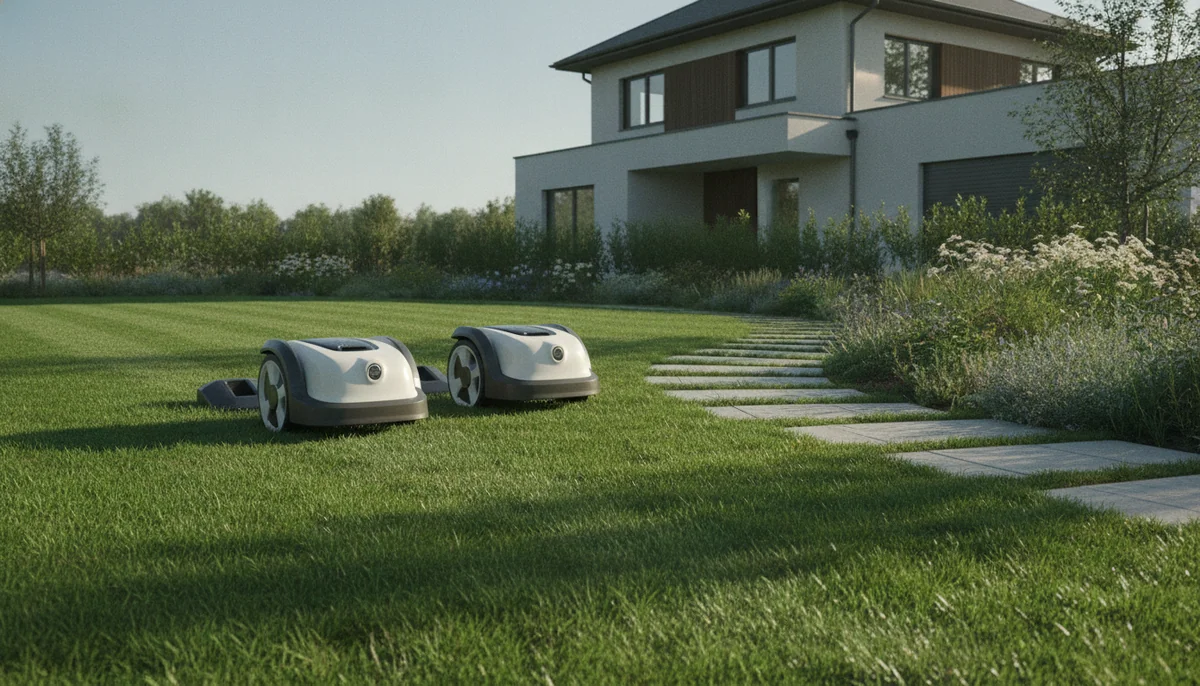
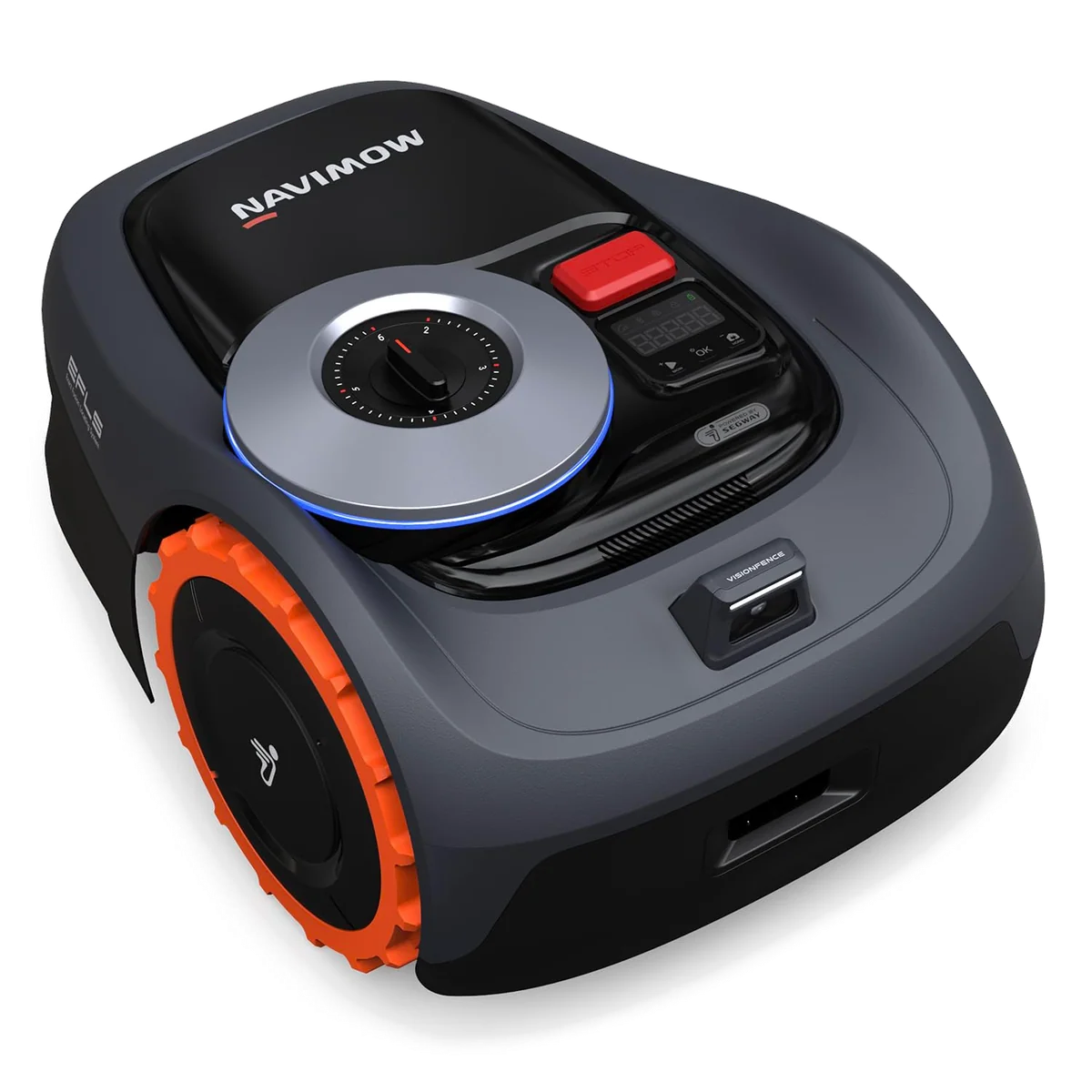
Segway Navimow i110N
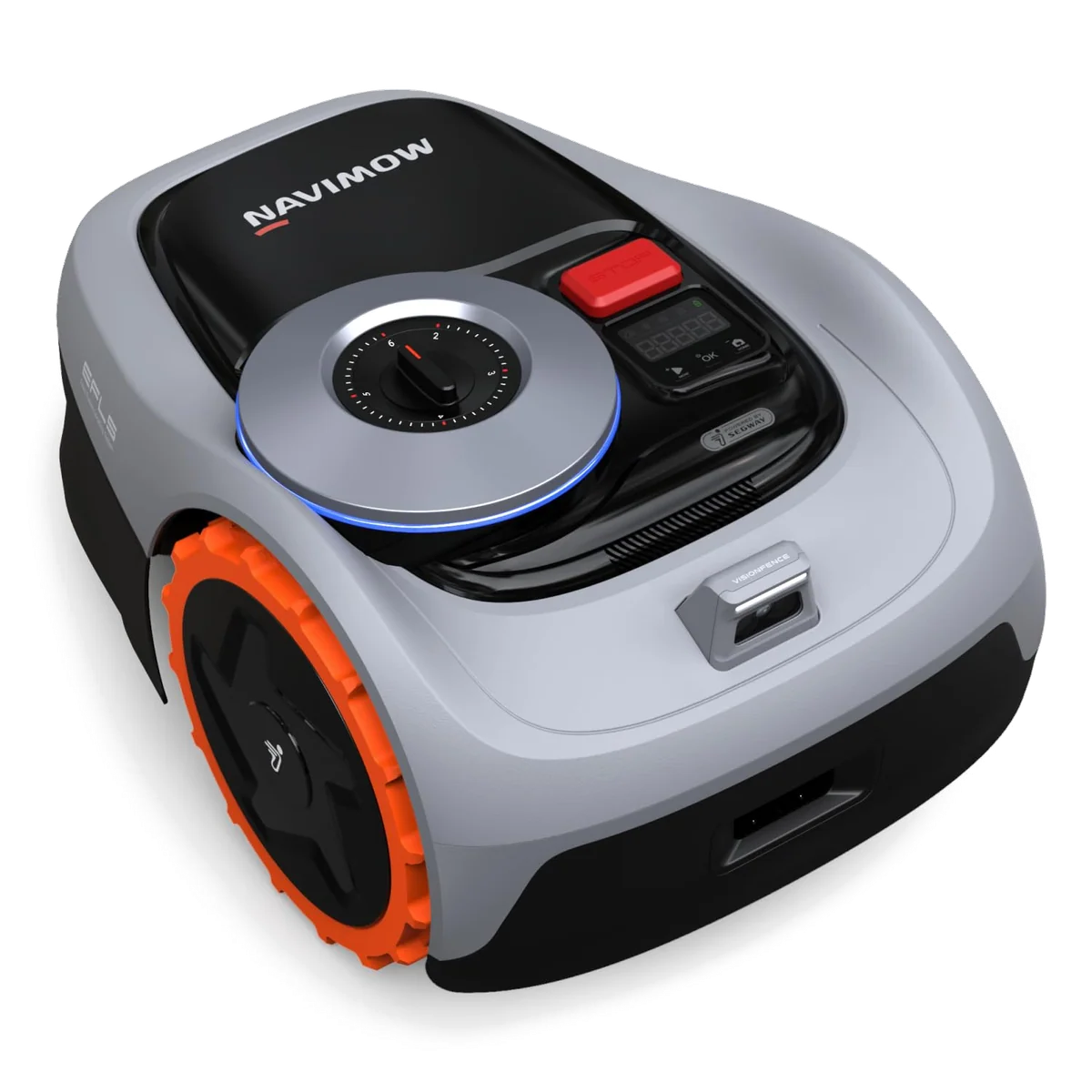
Segway Navimow i105N Robot Lawn
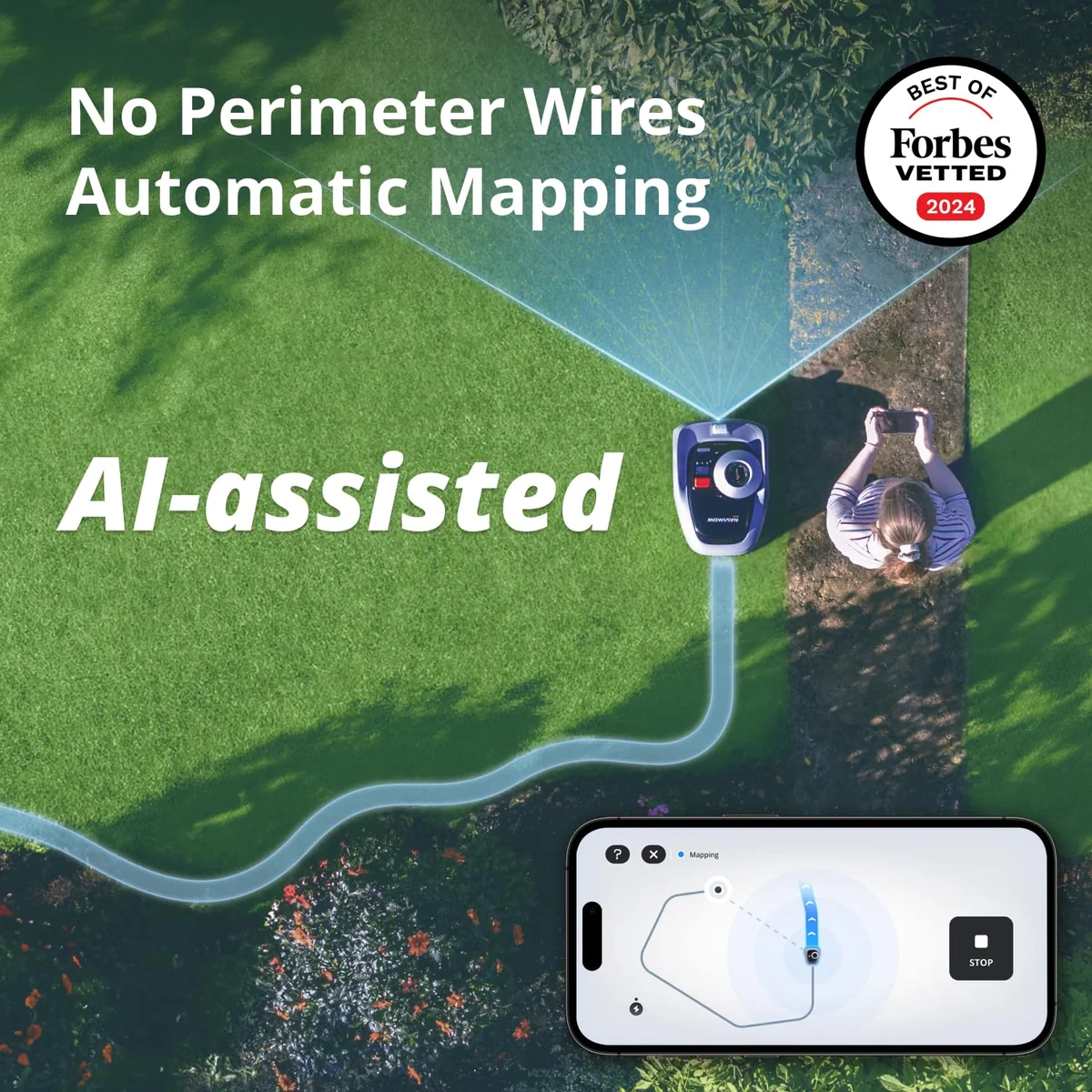
The Segway Navimow i110N and i105N are not two generations of mower or two different approaches to automation. They are essentially the same wire-free maintenance mower with different working clocks. Both use RTK positioning assisted by a camera, follow virtual boundaries, mow in orderly lanes, manage multiple zones and cut with the same narrow hardware. Neither gains all-wheel drive, better clearance or freedom from the satellite antenna.
The i110N’s larger battery is the difference that matters. Its nominal mowing time is 120 minutes rather than the i105N’s 60 minutes, and its rated lawn capacity rises from one-eighth acre to one-quarter acre. The larger model does not cut faster or leave a more polished stripe. It simply stays on the grass longer before an automatic trip to the charger interrupts the job.
That sounds like a modest upgrade until the lawn contains trees, obstacles, separate zones or a few difficult turns. Every detour consumes time without cutting much grass. So does travelling through a channel, reversing away from an object, crossing the yard to dock and returning to the unfinished row. The i105N can recharge and resume, but its shorter sessions leave less margin for all the work that the acreage figure does not describe.
Neither mower is a rescue machine for an overgrown lawn. Start with grass already cut to the intended height, then schedule frequent passes that remove only a small amount. By the sixth week, a compatible lawn can look permanently maintained while the owner’s part shrinks to clearing debris, cleaning the mower and trimming the strips beside walls and raised borders.
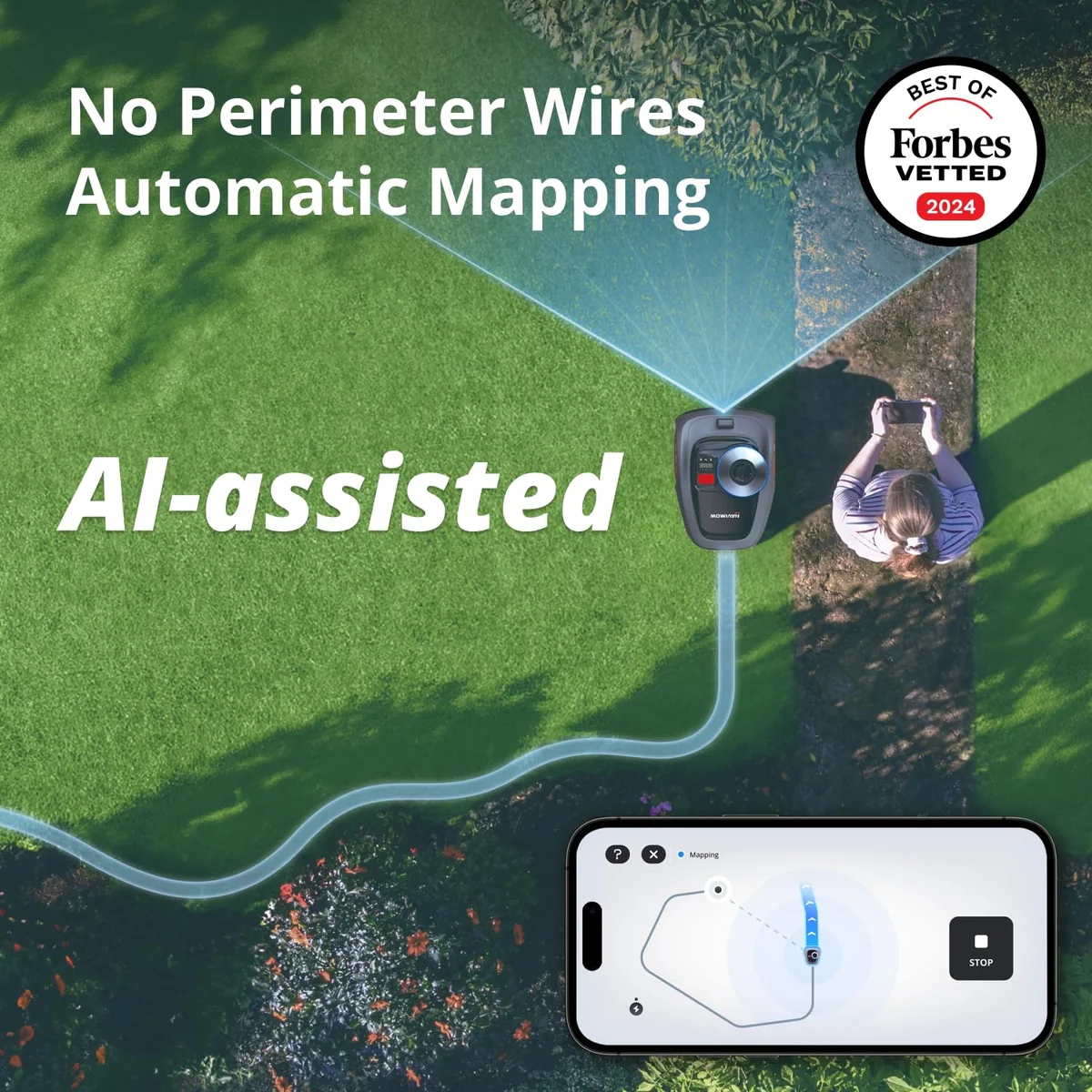
Segway Navimow i110N
Segway Navimow i105N Robot Lawn
At a Glance
| Feature | Editor's Pick Segway Navimow i110N | Segway Navimow i105N Robot Lawn |
|---|---|---|
| Price Range | $500–$1,000 | $500–$1,000 |
| Cutting height | 2–3.6 inches, manual adjustment | — |
| Recommended lawn size | Up to 0.25 acre | — |
| Cutting width | 7.1 inches | — |
| Check Price on Amazon | Check Price on Amazon |
The upgrade is a battery, not a better robot
| Decision point | Navimow i110N | Navimow i105N |
|---|---|---|
| Rated maintained area | Up to 0.25 acre | Up to 0.125 acre |
| Nominal mowing time | 120 minutes | 60 minutes |
| Navigation | RTK with camera assistance | RTK with camera assistance |
| Cutting system | 7.1-inch disc with three pivoting blades | Same basic cutting hardware |
| Cut-height range | 2–3.6 inches, manually adjusted | 2–3.6 inches, manually adjusted |
| Stated noise | 58 dB(A) | 58 dB(A) |
| Terrain advantage | None | None |
Acreage ratings describe the amount of maintained grass a mower is intended to manage, not what it clears on one charge. The i110N may still need several mowing and charging sessions near its quarter-acre limit, while the i105N can require more than one session on a divided or demanding small lawn. Our guide to what robot mower acreage ratings really mean explains why measured grass, obstacles and available mowing hours matter more than the property’s lot size.
The larger pack earns its keep even below a quarter acre. A 5,000-square-foot lawn sits inside the i105N’s nominal envelope, but it leaves little room for slow thick turf, repeated obstacle avoidance or days lost to wet weather. The i110N can complete more of that lawn in each dry window and spends a smaller share of its working day travelling to and from the dock.
Both inherit the same difficult-yard problem
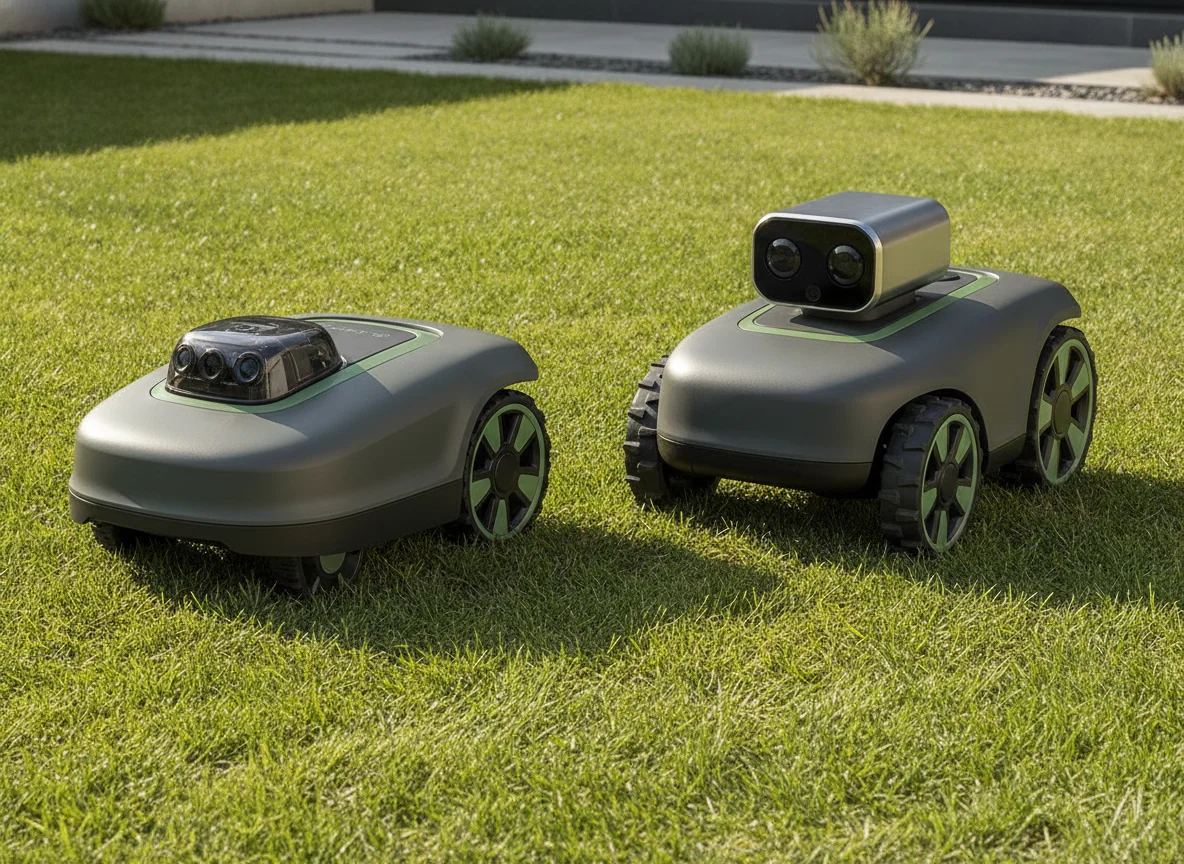
The i110N’s battery does nothing for traction. Both mowers have a light, non-AWD chassis that is happiest on firm, substantially level turf. Shallow ruts, exposed roots, thick grass, damp inclines and abrupt transitions can leave either machine spinning, reversing or waiting for rescue. Optional rough-terrain wheels may help ordinary slippage, but they cannot raise the low body over a depression or turn this platform into an all-terrain mower.
Satellite reception is equally important. The powered dock needs level ground, and the separate GNSS antenna needs a useful view of the sky. Dense canopy, two tall buildings with a narrow strip between them, a deep roof overhang or a carport can undermine mapping and positioning on either model. Camera assistance can bridge some weak-signal patches; it cannot make an unsuitable RTK property dependable. The distinction between this system and LiDAR is covered in our guide to RTK, LiDAR and camera-guided robot mowers.
Setup is therefore the same patient exercise with both machines. Place the dock and antenna provisionally, let the app assess reception, map the boundaries, and watch several complete cycles before fixing cables or mounts permanently. Clear transitions can use assisted mapping, while curbs, ponds, fences, beds and narrow passages deserve careful manual steering. Save substantial map changes as you go because editing remains clumsy and software behavior is the least predictable part of this otherwise simple hardware.
The i110N is the one to buy.
Its two-hour nominal runtime and quarter-acre rating provide useful scheduling margin without changing the quiet, systematic mowing that makes the smaller model appealing.
The larger battery cannot prevent weak RTK reception, awkward map revisions, wheel slip or the manual trimming left beside vertical edges.
The i105N belongs on truly small lawns.
Choose it when the mowable area is comfortably below one-eighth acre, the terrain is easy and its checkout cost leaves a meaningful saving over the i110N.
Its roughly one-hour mowing window creates more charging interruptions and little capacity reserve when obstacles, divided zones or difficult grass slow progress.
The cut will not choose a winner
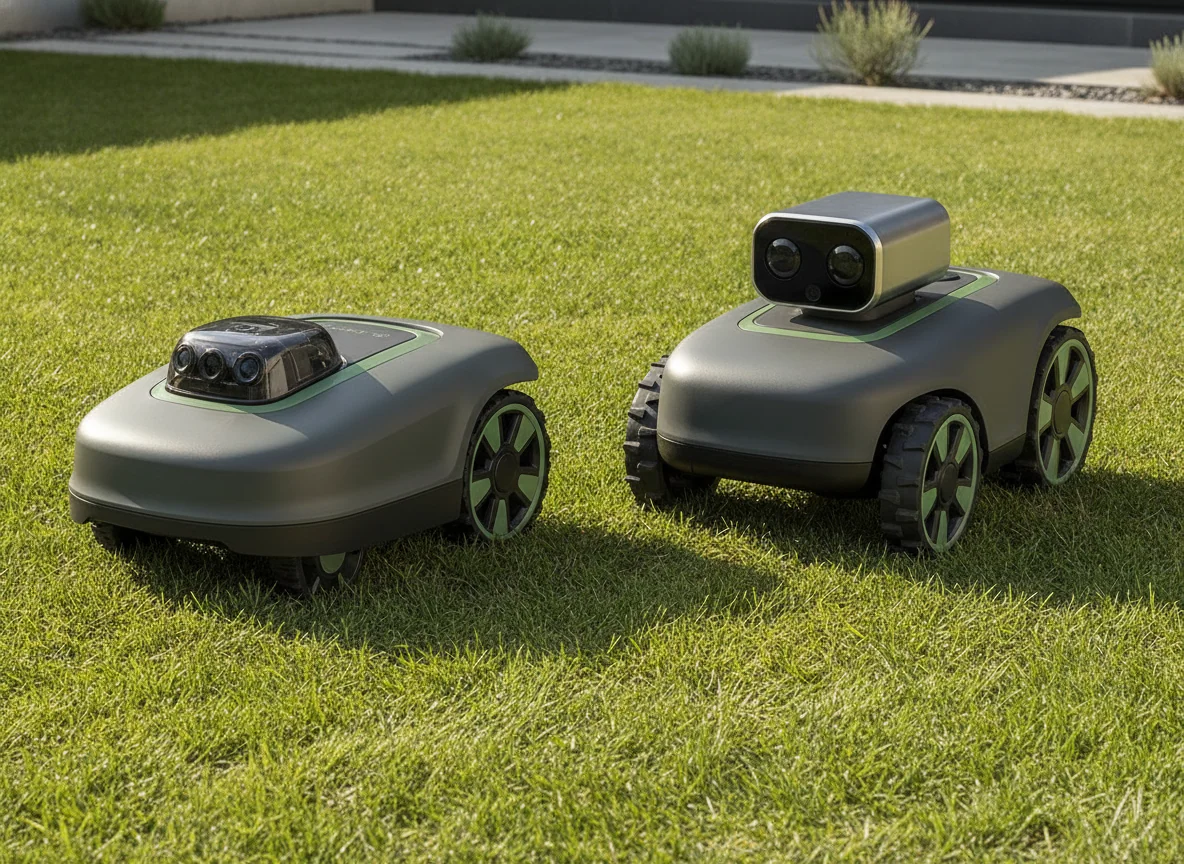
Both machines produce their best result through repetition. Three small blades shave the tips, the mower records its progress, and later cycles approach missed blades from another direction. Neither deck generates the suction of a conventional mower, so long grass can fold beneath the body and leaves below blade height remain largely untouched. Tiny clippings disappear into frequently maintained turf; a heavy first cut leaves evidence behind.
Ride-on boundaries can bring the cutting disc close where grass meets level paving because the chassis is allowed to straddle the edge. A wall, fence, tree trunk, raised bed or deliberately conservative curb boundary still leaves a visible strip. Keep the string trimmer. Buying the larger model does not move the blade disc outward by a single millimetre.
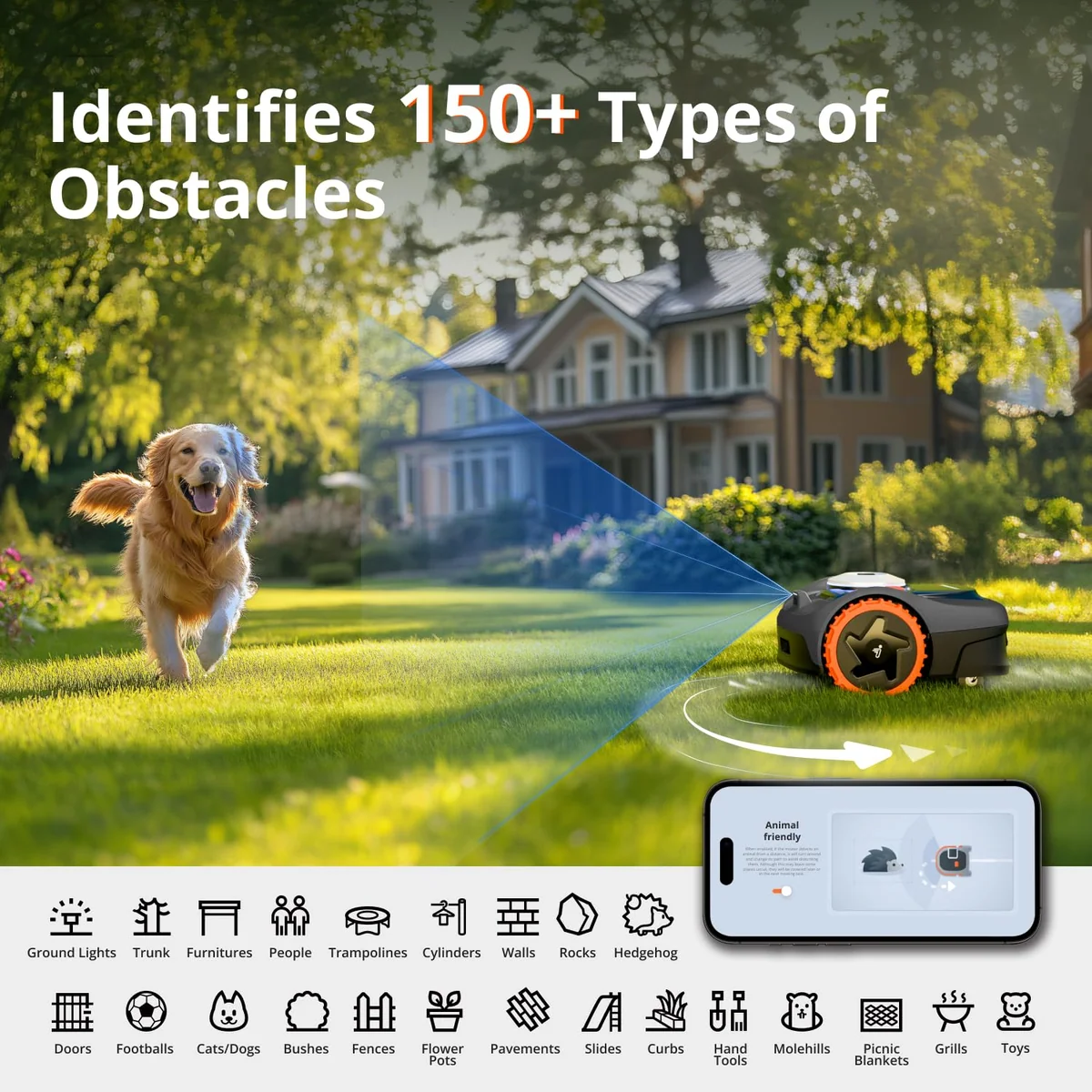
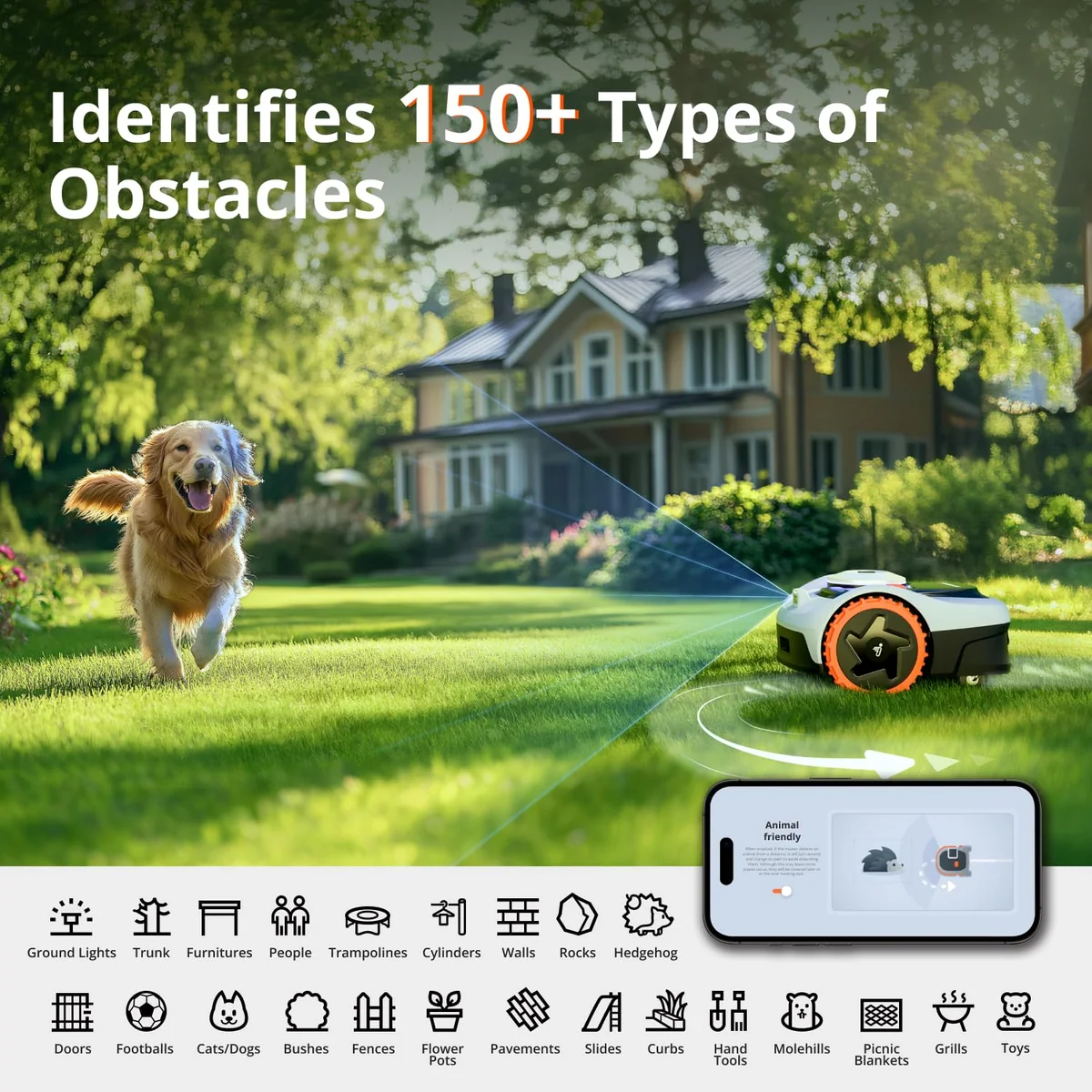
Obstacle vision also deserves the same restraint on both. Large toys, pots, trees and obvious furniture are its comfortable assignments. Hoses, low sprinkler heads, thin flags, branches, pet waste and visually confusing patches of dirt should be removed or excluded. Most importantly, virtual accuracy is not physical containment. Leave a generous buffer beside traffic, water, retaining walls and drops instead of trusting either mower to make a zero-margin turn forever.
Segway Navimow i110N
Segway Navimow i105N Robot Lawn
Choose by lawn shape first, then by lawn size
Buy the i110N for working margin
It is the clear choice for grass above one-eighth acre and the safer choice for a smaller lawn that is divided, obstacle-heavy or slow to mow. It also suits an owner who wants more of each scheduled cycle completed before the machine disappears onto its dock.
Buy the i105N only when small really means small
A compact, open lawn can make the larger battery redundant. If the entire mapped grass area sits comfortably below the smaller mower’s rating and both models face the same easy terrain, the i105N can deliver the same cut and navigation without paying for unused runtime.
Buy neither for rough or satellite-hostile ground
Repeated wheel slip is a chassis problem, not a battery problem. The Navimow i110N and i206 AWD comparison shows what moving to the newer traction-focused platform changes, although the i206 AWD’s smaller area rating must still fit the lawn.
Where mature trees and buildings are the defining obstacle, changing localization technology is more convincing than repeatedly moving an RTK antenna. The Navimow i215 LiDAR review covers the closer Segway alternative for a yard where open sky is scarce.
The i105N is not the worse cutter; it is the same idea on a shorter clock. Unless the lawn is plainly small enough to make that clock irrelevant, buy the i110N and keep the extra hour.
Frequently Asked Questions
Does the i110N navigate better than the i105N?
No, both rely on the same basic RTK and camera-assisted navigation, so the i110N’s advantage is endurance rather than positioning.
Will the i110N mow a quarter acre on one charge?
No, its quarter-acre figure is a maintained-area rating, and a lawn near that limit should be expected to require multiple mowing and charging sessions.
Can the i105N handle a quarter acre if it keeps recharging?
The machine can resume after charging, but buying it beyond its supported one-eighth-acre use leaves too little scheduling margin and makes the i110N the sounder choice.
What does setup require for either mower?
Each needs a powered level dock, a cabled GNSS antenna with useful sky exposure, the Navimow app and a carefully checked virtual map.
Can the i110N battery be replaced?
An OEM replacement pack exists for the i110N, but the available evidence does not establish a simple owner-service procedure.
Do these mowers need the Navimow Garage S?
No, the garage is optional protection and shade rather than equipment required for mowing, as explained in the Navimow Garage S review .
Ready to Choose?
Sources (24)
- Amazon listings and customer reviews — Segway Navimow I110n and Segway Navimow I105n Robot
- Owner reports across r/SegwayNavimow, r/automower threads
- Owner and reviewer video, 26 channels
- Walmart listing
- Toptenreviews — Article — www.toptenreviews.com
- Pcworld — Article — www.pcworld.com
- Homedepot — Article — www.homedepot.com
- Lowes — Article — www.lowes.com
- Robotmowerlab — Article — robotmowerlab.com
- Forbes — Article — www.forbes.com
- Lifehacker — Article — lifehacker.com
- Makeuseof — Article — www.makeuseof.com
- Navimow — Article — navimow.com
- Segway — Article — navimow.segway.com
- Tomsguide — Article — www.tomsguide.com
- Site — Article — segway-navimow.my.site.com
- Consumerreports — Article — www.consumerreports.org
- Propartsdirect — Article — www.propartsdirect.net
- Facebook — Article — www.facebook.com
- Yahoo — Article — www.yahoo.com
- Mowscout — Article — mowscout.com
- Paulslawnmowerreviews — Article — paulslawnmowerreviews.com
- Fr — Article — compare-robots.fr
- Lawnfly — Article — lawnfly.com