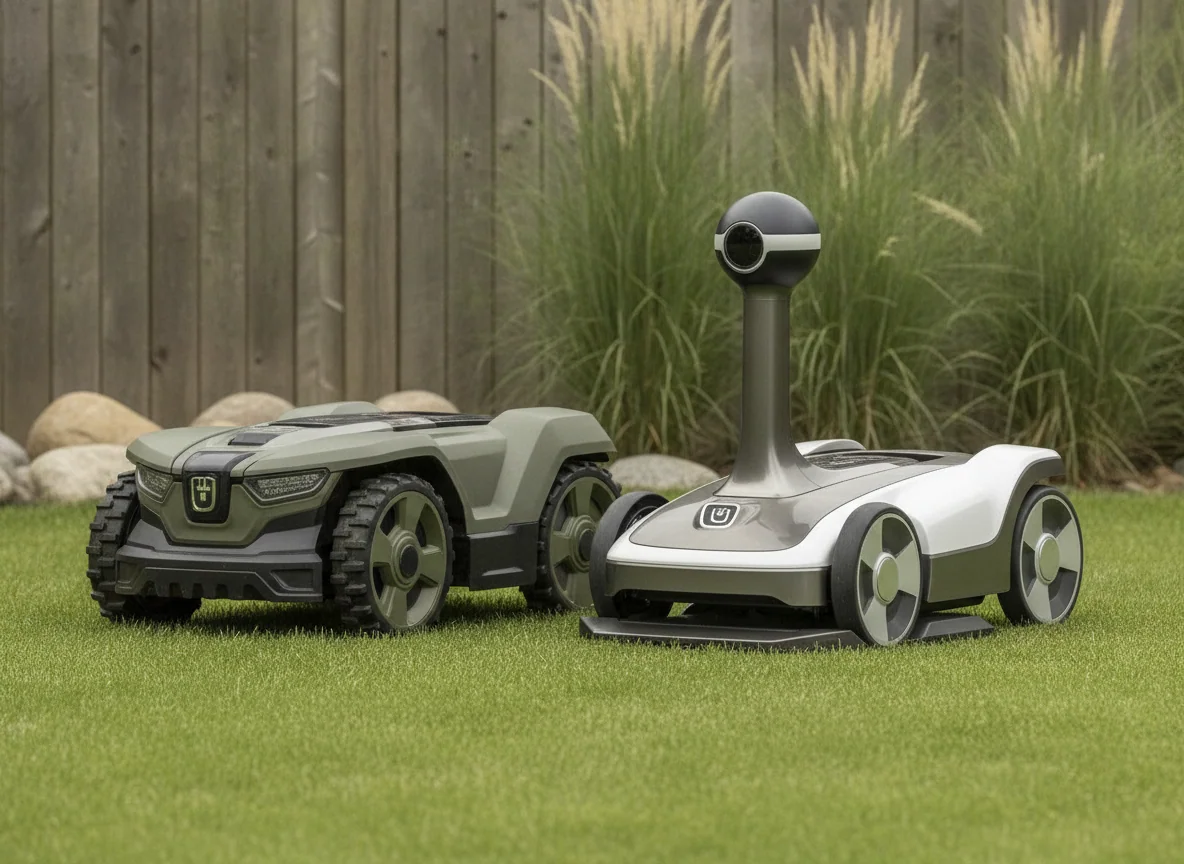
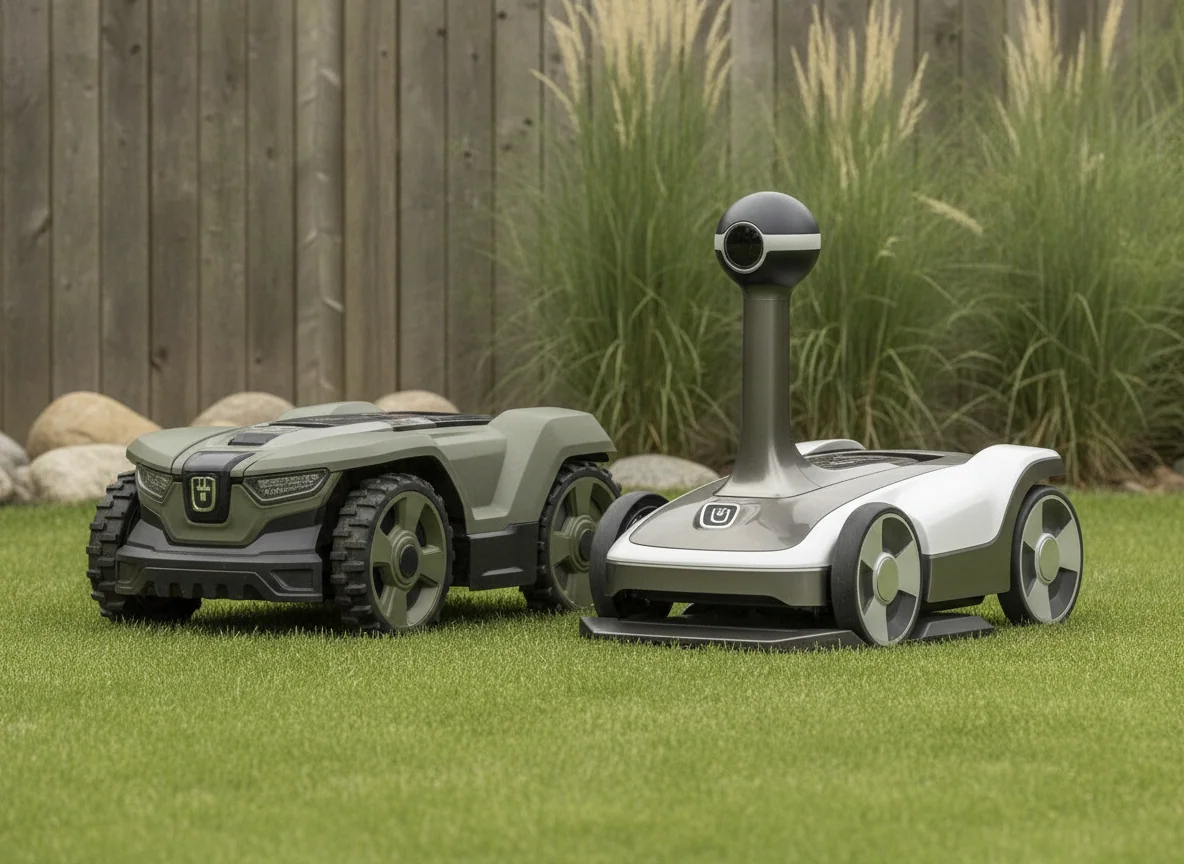
The Navimow X430 wins this duel unless your lawn makes satellites lie
Buy the Segway Navimow X430 for most large and difficult lawns, but choose the DREAME A3 AWD Pro 3500 when blocked satellite views matter more than gentle turning, polished ownership and tall-grass flexibility.
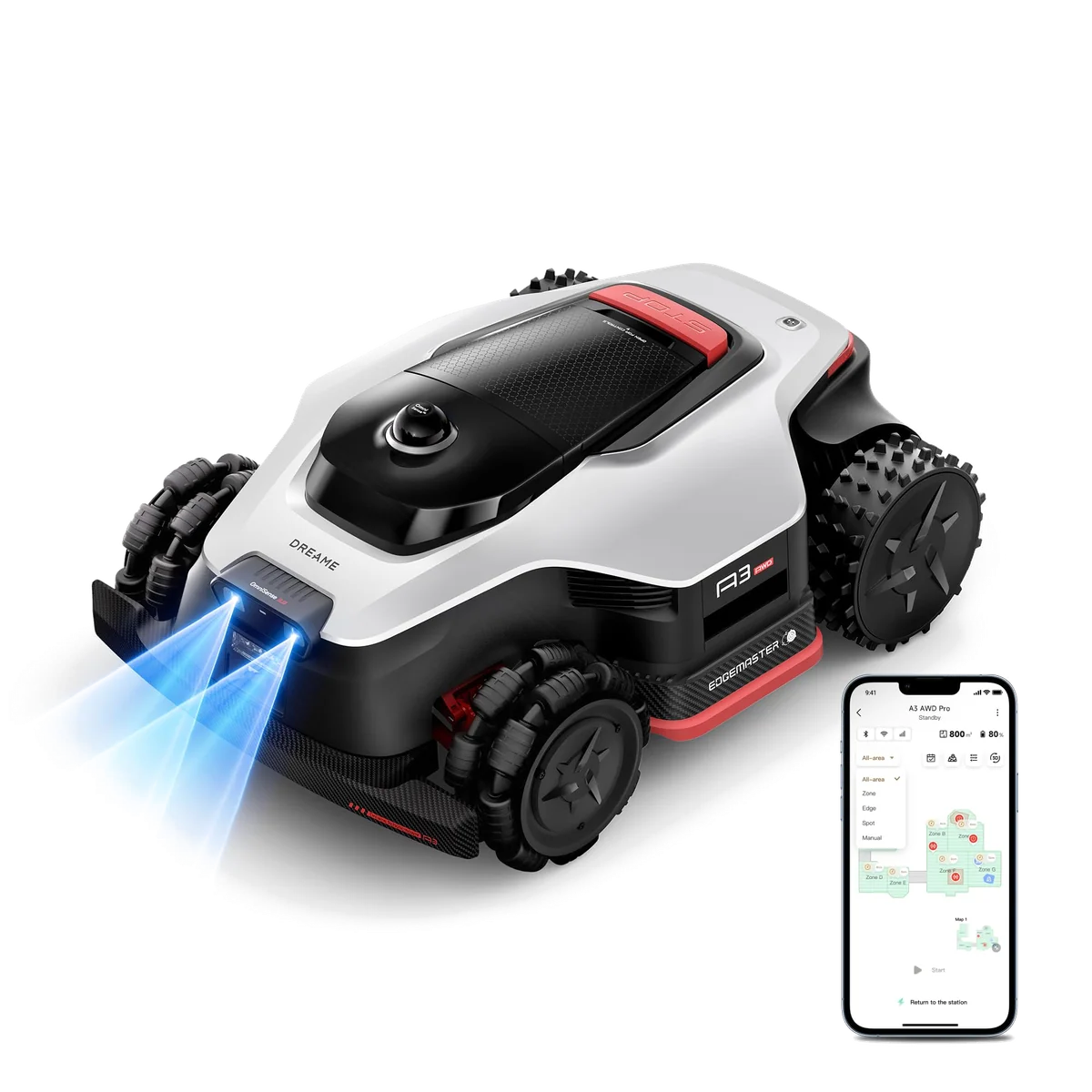
Dreame A3 AWD Pro 3500
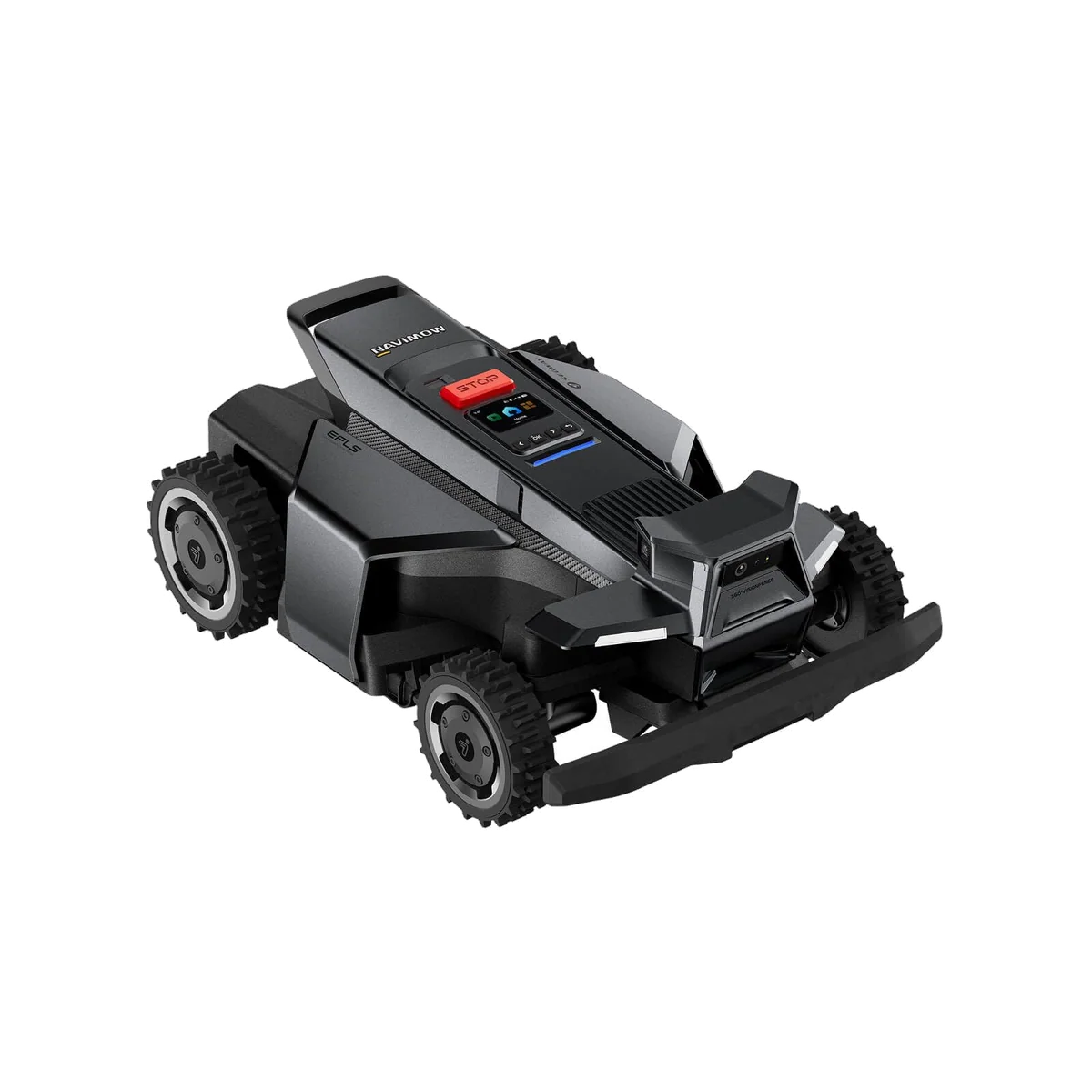
Navimow X430
The Navimow X430 is the better all-round robot mower. It covers a larger rated area, cuts a wider path, reaches both lower and slightly higher, turns with steerable front wheels and has a more convincing ownership case behind its formidable four-wheel-drive chassis. On a firm acre with reasonable satellite visibility, it is the machine more likely to disappear into the weekly routine rather than remain a robotics project parked beside the patio.
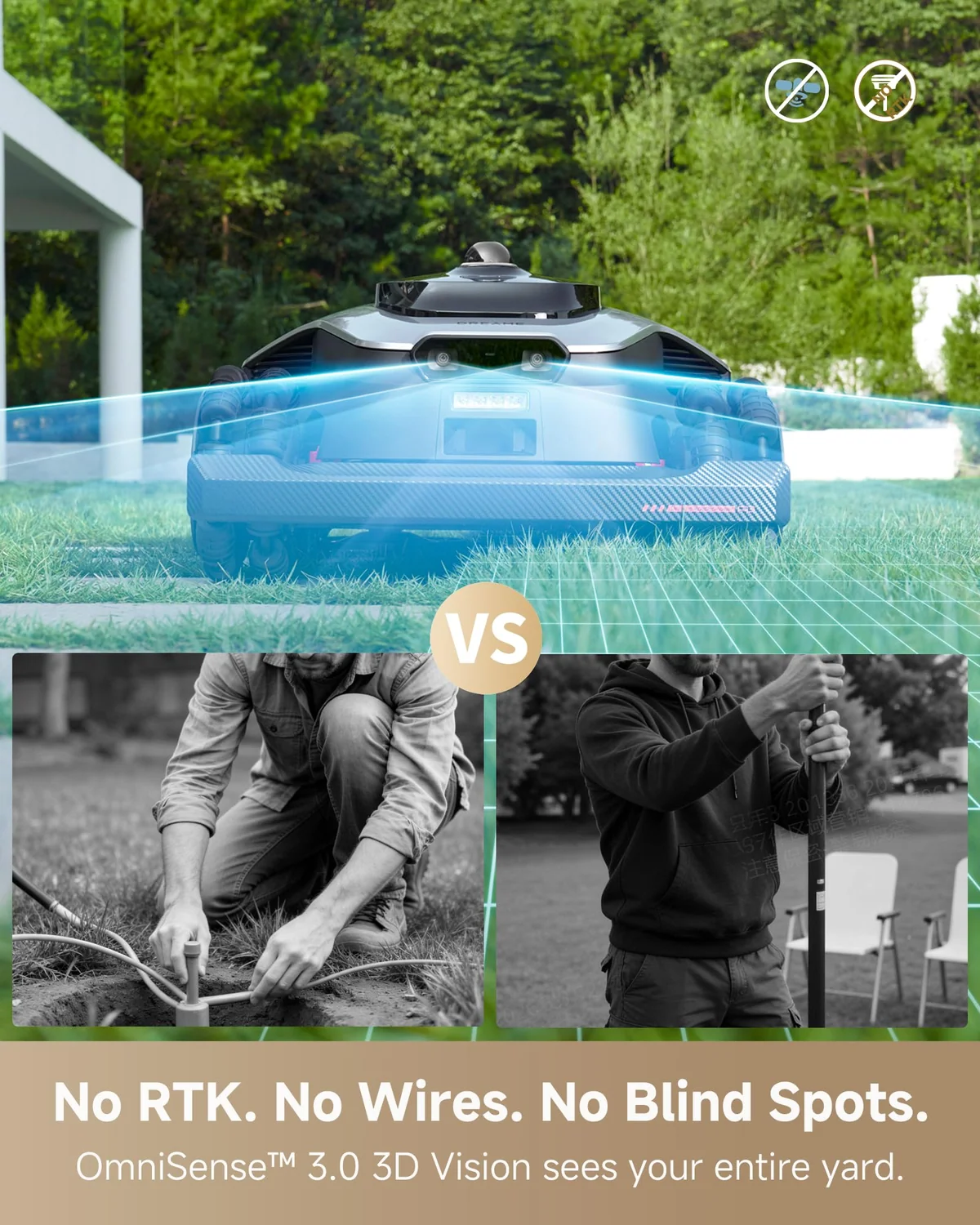
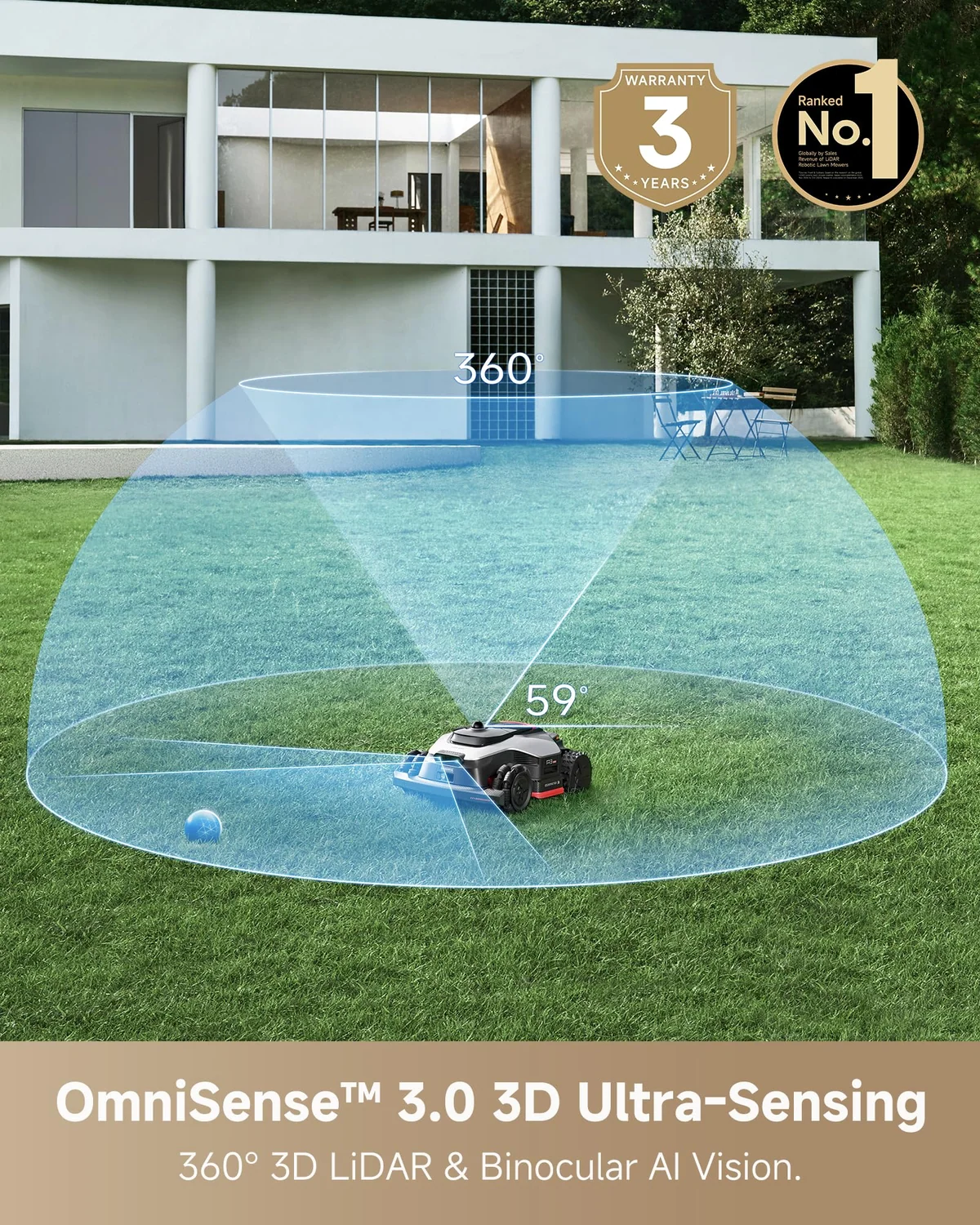
The DREAME A3 AWD Pro 3500 wins one important fight that Segway cannot settle with more motor power. Its on-board LiDAR does not need a clean relationship with the sky. Mature trees, tall buildings and enclosed garden geometry can make satellite positioning inconsistent, yet those same obstacles give LiDAR a detailed physical world to read. If an RTK mower loses its place beside the house or beneath a broad canopy, the Dreame is not the consolation prize. It is the correct tool.
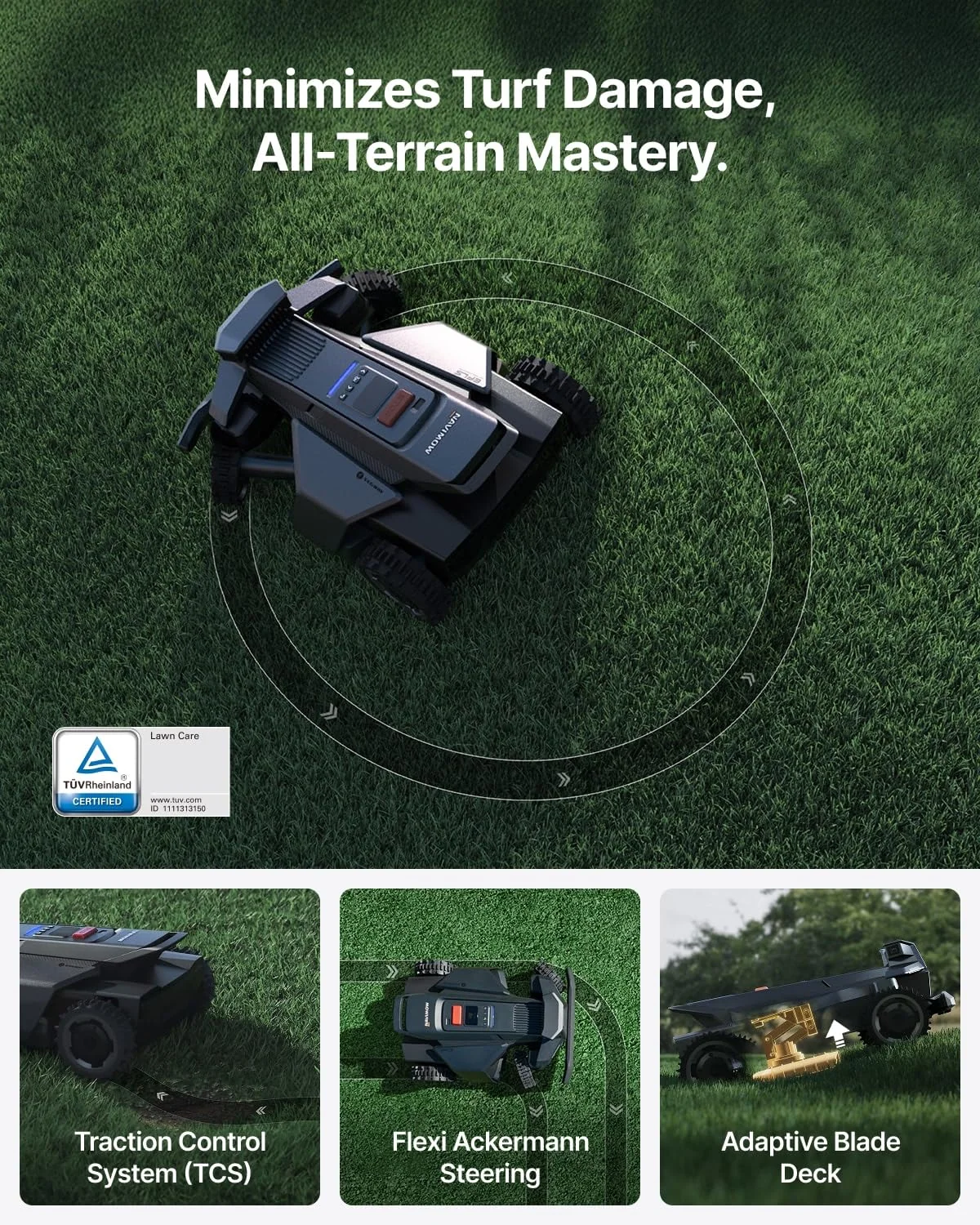
Ground condition separates them just as sharply. The X430 uses eccentric front-wheel steering and suspension to negotiate turns and transitions without relying on a heavy skid pivot. Repeated routes can still wear grass, especially near the charger, but its basic movement is kinder to vulnerable turf. The 52.7-pound Dreame can climb impressively on established grass, then chew a bald circle into damp loam, loose sand or the soft patch in front of its dock. Four driven wheels provide traction only while the surface can resist them.
Neither mower deserves blind trust on the first afternoon. The X430 can demand experiments with dock placement, a restart after firmware updates and careful confirmation that Network RTK works around the property. One severe failure report also describes an electronic height setting dropping to minimum, scraping concrete and scalping grass. That may represent a defective machine rather than normal behavior, but it is serious enough to justify supervising the early cycles.
Dreame trades that satellite uncertainty for different complications. Manual mapping is the dependable choice around ambiguous lawn borders, its software is less consistently mature, and direct sun can force LiDAR cooling pauses. Its EdgeMaster system also makes an extraordinary design mistake: the close edge pass drops to a fixed 1.2 inches even when the main lawn is maintained much higher. On tall fescue, that can draw a shaved outline around an otherwise excellent cut.
Dreame A3 AWD Pro 3500

Navimow X430
At a Glance
| Feature | Dreame A3 AWD Pro 3500 | Navimow X430 |
|---|---|---|
| Price Range | $1,500–$3,000 | $1,500–$3,000 |
| Cutting height | 3–10 cm / 1.2–3.9 inches | 0.75–4 inches |
| Recommended lawn size | Up to 3,500 m² / 0.87 acre | Up to 1 acre of mapped grass |
| Cutting width | 40 cm / 15.8 inches | 17 inches |
| Check Price on Amazon | Check Price on Amazon |
The sky chooses Dreame, but the lawn chooses Segway
Both machines are serious wire-free maintenance mowers rather than overgrown-grass rescue tools. Each combines a broad dual-disc cutting system, virtual zones, systematic routes, obstacle avoidance and all-wheel drive. The differences emerge after the specification sheet meets a real property: the dock beside a wall, the damp turn below a downspout, the summer cutting height and the narrow route used several times every week.
| Decision point | Segway Navimow X430 | DREAME A3 AWD Pro 3500 |
|---|---|---|
| Rated managed area | Up to 1 acre | Up to 0.87 acre |
| Navigation | Network RTK, vision and virtual mapping | On-board 3D LiDAR and binocular vision |
| Cutting system | 17-inch dual-disc deck with 12 blades | 15.8-inch dual-disc deck with six blades |
| Cutting-height range | 0.75 to 4 inches | 1.2 to 3.9 inches |
| Manufacturer slope rating | 84% grade, approximately 40 degrees | 80% grade, approximately 38.7 degrees |
| Best terrain | Firm slopes, rough transitions and turf vulnerable to skid turns | Firm slopes, roots and complex ground beneath obstructed sky |
| Main ownership risk | Positioning and dock setup can become property-specific troubleshooting | Weight, software inconsistency and fixed low edge cutting can damage the result |
| Our choice | Best for most difficult lawns approaching an acre | Best when satellite reception is the decisive obstacle |
The Navimow X430 is the better one-acre mower for firm, open-enough ground.
Its wider deck, four-inch maximum cut, suspension and turf-conscious steering make it the more complete machine for large residential lawns.
Its RTK-dependent setup can become a dock-moving exercise, and the reported height-control failure makes early supervision non-negotiable.
The X430 feels designed from the wheels upward for difficult acreage. Four-wheel traction gets the headline, but suspension and steerable front wheels do more to explain its advantage in daily use. It can cross roots, shallow ruts and driveway transitions without dragging its nose or wrenching the whole chassis around a fixed rear axle. That matters long after the excitement of watching it climb the steepest bank has worn off.
The cutting hardware suits the scale. Two 180W motors drive 12 folding blades across a 17-inch path, while the 0.75-to-4-inch height range accommodates closely maintained grass and tall summer fescue. Flattened blades can survive a pass because robot mower discs create little lift, but alternating directions and frequent shallow cuts produce the finish this machine is built to maintain.
Segway does not eliminate trimming. Walls, raised beds, clustered obstacles and tight inside corners still leave a strip beyond the blade path. The same realism applies to leaves, pine cones, straps, hoses and small branches. Cameras reduce rescues; they do not turn lawn clutter into harmless scenery.
The property audition happens before the X430 earns its autonomy. The charger needs power, stable ground and a position the navigation system accepts. A location close to a wall can fail while another only a few feet away works properly, and firmware updates may need a full power cycle before crooked movement or phantom collisions disappear. Once that installation is settled, the X430 has the stronger claim to quiet, systematic mowing with fewer compromises. The full Navimow X430 review examines the setup risks, terrain performance and long-term chores in detail.
The DREAME A3 AWD Pro 3500 is the specialist for obstructed skies and uncompromising firm-ground traction.
Its LiDAR navigation and wide dual-disc deck make difficult tree-covered properties possible without a perimeter wire or external RTK reference.
Its heavy pivots can dig soft ground, while EdgeMaster can scalp taller lawns with a fixed 1.2-inch perimeter cut.
The Dreame earns its place wherever satellite geometry is the real problem. A house on one side, mature trees overhead and raised beds throughout the lawn can turn an RTK installation into endless positioning adjustments. The A3 reads that environment directly with 360-degree LiDAR and binocular cameras. It can map zones, follow connecting paths and hold systematic lines without asking for a clear antenna view of the sky.
Its four-wheel drive is also genuine rather than decorative. Firm, established slopes, roots and hard transitions suit the chassis, and the 15.8-inch dual-disc deck covers ground far more credibly than a narrow entry-level mower. Maintained grass emerges in orderly stripes with fine clippings, although mature weeds and folded overgrowth should be cut conventionally before the robot takes over.
The problem is that the same mass and traction become destructive when the soil gives way. Wet turf, loose sand and thin grass around repeated turning points can be scuffed or excavated. The dock deserves a firm, level approach with clear maneuvering space, not a hopeful patch of damp lawn where the mower will perform the same localization turn every day.
EdgeMaster should not be enabled casually. Its moving deck can cut impressively close beside flush paving, but the edge routine ignores the chosen main height and drops to 1.2 inches. That is unacceptable around a lawn maintained at three or four inches, and it can even shave a line along a purely virtual boundary between zones. Disable it and accept some string trimming rather than letting a feature dictate the health of the grass.
The software and thermal caveats complete the trade. Mapping controls can feel less discoverable than the hardware deserves, early reliability reports are uneven, and the exposed LiDAR assembly may pause to cool in direct sun. Morning or evening schedules help, but shade at the dock cannot protect a sensor while it crosses an open field. The full DREAME A3 AWD Pro 3500 review explains where its exceptional navigation is worth those compromises.
Dreame A3 AWD Pro 3500
Navimow X430
Choose for the failure your property is most likely to cause
Choose the Navimow X430
Pick Segway when the lawn approaches an acre, includes sustained slopes or rough transitions, needs a high summer cut, and offers a workable location for Network RTK and the charger. It is also the safer choice when thin or damp turf makes repeated skid turns a concern. Measure every gate and corridor first because its 24-inch body needs clearance, not merely a gap matching the specification.
Choose the DREAME A3 AWD Pro 3500
Pick Dreame when trees, walls or outbuildings make satellite positioning the most credible source of future frustration. The ground should be established and firm, the routes should be wide enough for its large chassis, and the owner should be willing to map conservatively around ponds, drops and ambiguous borders. It is the more demanding machine, but it solves a navigation problem the X430 may never overcome.
Choose neither
A flat quarter-acre lawn does not need either flagship. The Navimow i215 LiDAR packages wire-free mapping into a smaller machine for compact properties around trees and buildings. More than one acre of actual grass points in the other direction: the Mammotion LUBA 3 AWD 5000H carries a larger managed-area allowance for properties where coverage, rather than obstructed sky, sets the limit.
Walk away from both if the yard stays saturated, contains unfenced water or drops, or cannot provide a firm route between zones. Also walk away if the purchase is supposed to eliminate every lawn job. These machines mulch frequent light growth; they do not collect clippings, clear storm debris, rescue an overgrown lot or reach every blade beside a wall.
Smart Lawn Bots gives the X430 the overall win because its decisions make more sense across more lawns. Dreame’s LiDAR remains the sharper answer to one difficult question, and it becomes the winner the moment unreliable satellite positioning would otherwise strand an expensive mower beneath the trees.
Ready to Choose?
Sources (33)
- Amazon listings and customer reviews — Dreame A3 Awd Pro and Navimow X430
- Owner reports across r/automower, r/roboticLawnmowers, r/Dreame_Tech threads
- Owner and reviewer video, 56 channels
- Facebook — Article — www.facebook.com
- Notebookcheck — Article — www.notebookcheck.net
- Lbtechreviews — Article — www.lbtechreviews.com
- Gizmodo — Article — gizmodo.com
- Freshlycharged — Article — freshlycharged.com
- Dreametech — Article — yardcare.dreametech.com
- Mammotion — Article — us.mammotion.com
- Ign — Article — www.ign.com
- Glroboticsusa — Article — www.glroboticsusa.com
- Androidauthority — Article — www.androidauthority.com
- Basic Tutorials — Article — basic-tutorials.com
- Toptenreviews — Article — www.toptenreviews.com
- Expertreviews — Article — www.expertreviews.co.uk
- Segway — Article — navimow.segway.com
- Trustedreviews — Article — www.trustedreviews.com
- Navimow — Article — navimow.com
- Trustpilot — Article — www.trustpilot.com
- Pcworld — Article — www.pcworld.com
- Lowes — Article — www.lowes.com
- Mowingmagic — Article — mowingmagic.com
- Smart Dots — Article — www.smart-dots.com
- Cnygreenteam — Article — cnygreenteam.com
- Nytimes — Article — www.nytimes.com
- Trustpilot — Article — ie.trustpilot.com
- Homeandgardenselect — Article — homeandgardenselect.com
- Cnet — Article — www.cnet.com
- Yarbo — Article — www.yarbo.com
- Consumerreports — Article — www.consumerreports.org
- Easylawnmowing — Article — easylawnmowing.co.uk
- Eu — Article — www.letemsvetemapplem.eu