Mammotion LUBA 3 AWD 3000H review: astonishing traction, unfinished ownership
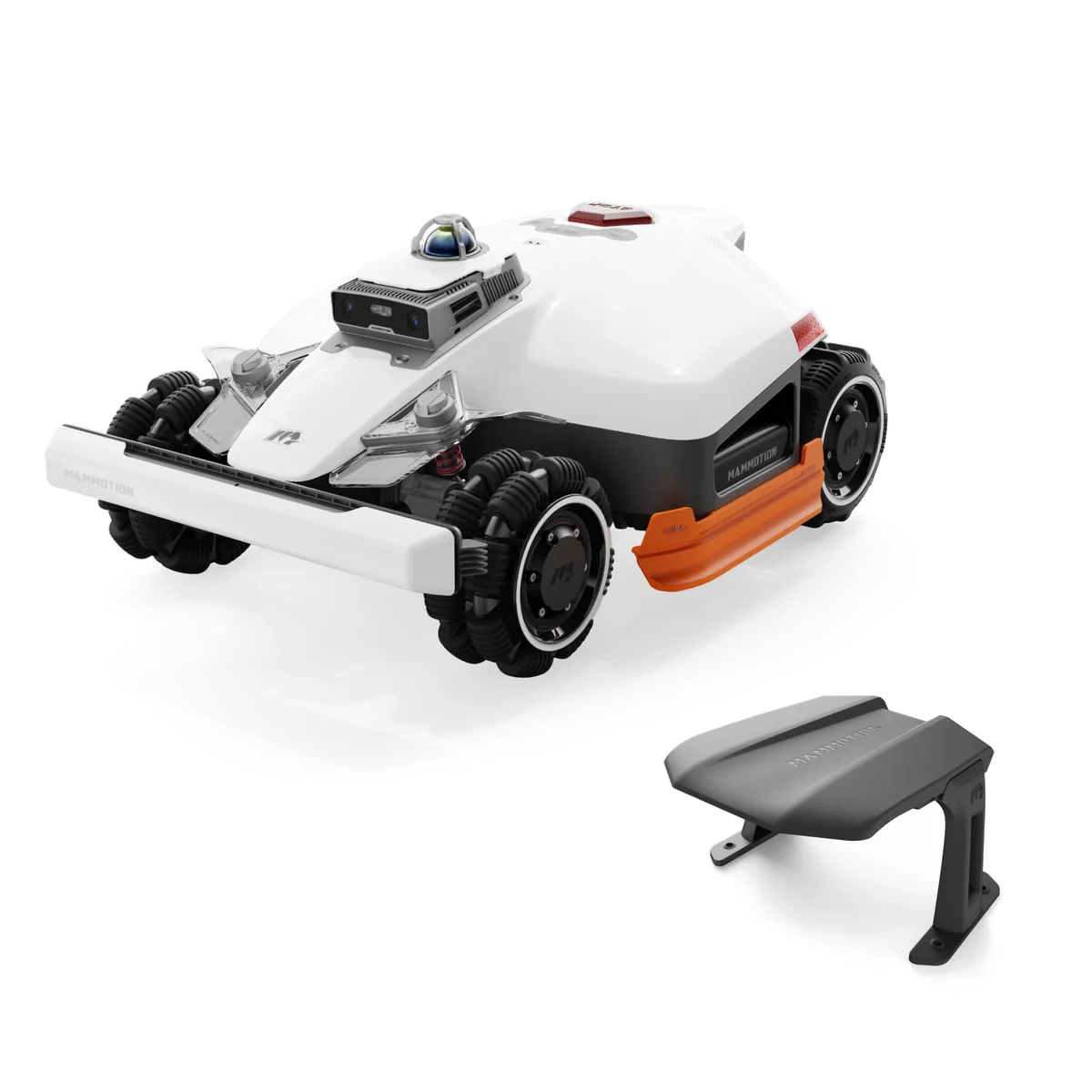
Buy the LUBA 3 AWD 3000H for a rough or steep lawn that defeats ordinary robot mowers, but choose something gentler and simpler if your turf is soft or your patience for software trouble is short.
A remarkable mower with an expensive trust problem
The Mammotion LUBA 3 AWD 3000H can turn a steep, rooty, tree-covered lawn from a weekly physical burden into background maintenance. Its traction is real, its high cutting range is unusually useful and its three-part navigation system is one of the strongest answers to difficult terrain without a perimeter wire.
Buy it only after accepting the other half of the bargain. Mapping needs care, soft turf may suffer, edges still need trimming, updates can alter behavior and a repair may not be resolved on a lawn-friendly timetable. For a technically confident owner with firm ground and a genuinely hard yard, those risks may be worth taking. For everyone else, the machine solves problems they do not have while introducing several they did not ask for.
Strengths
Weaknesses
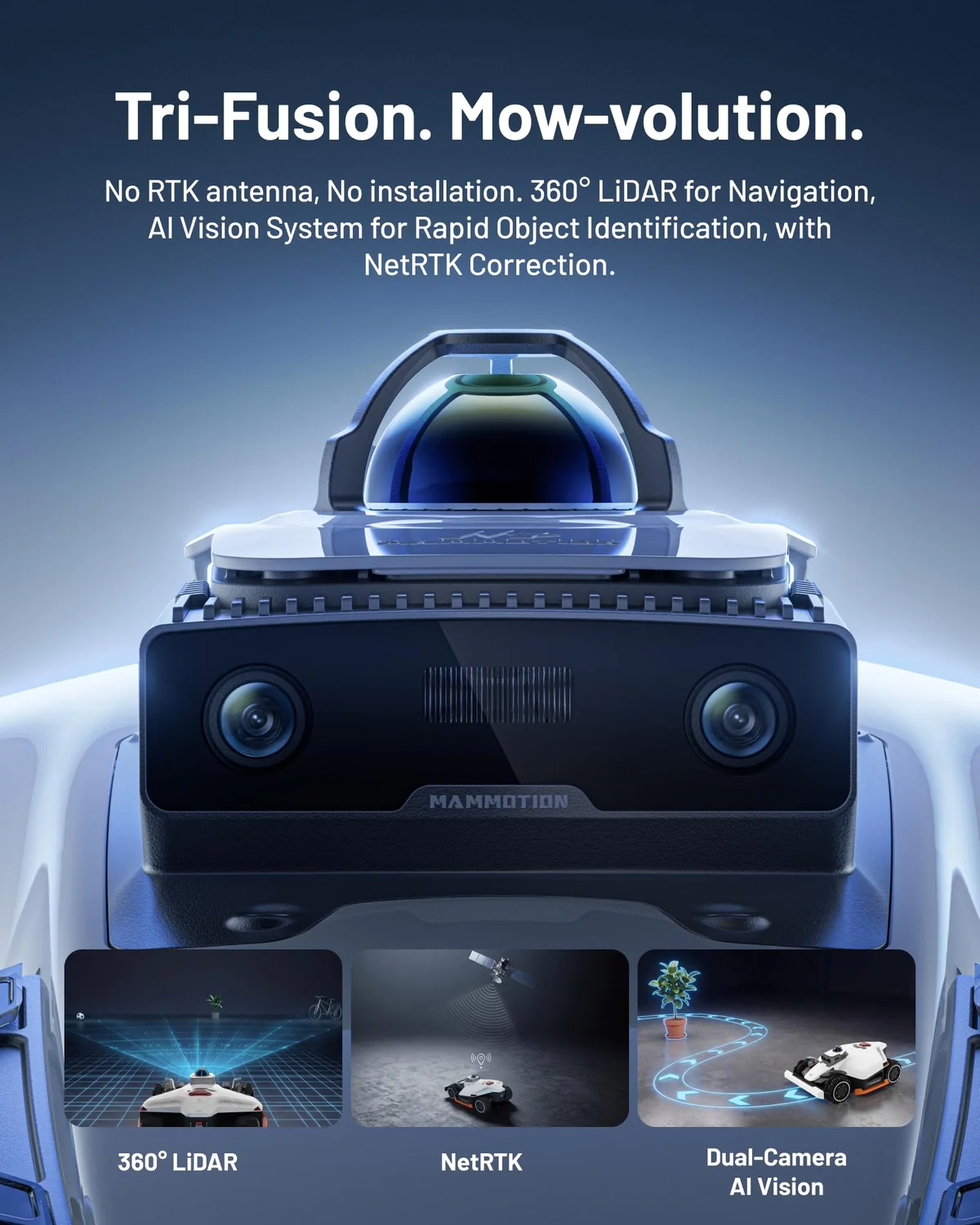
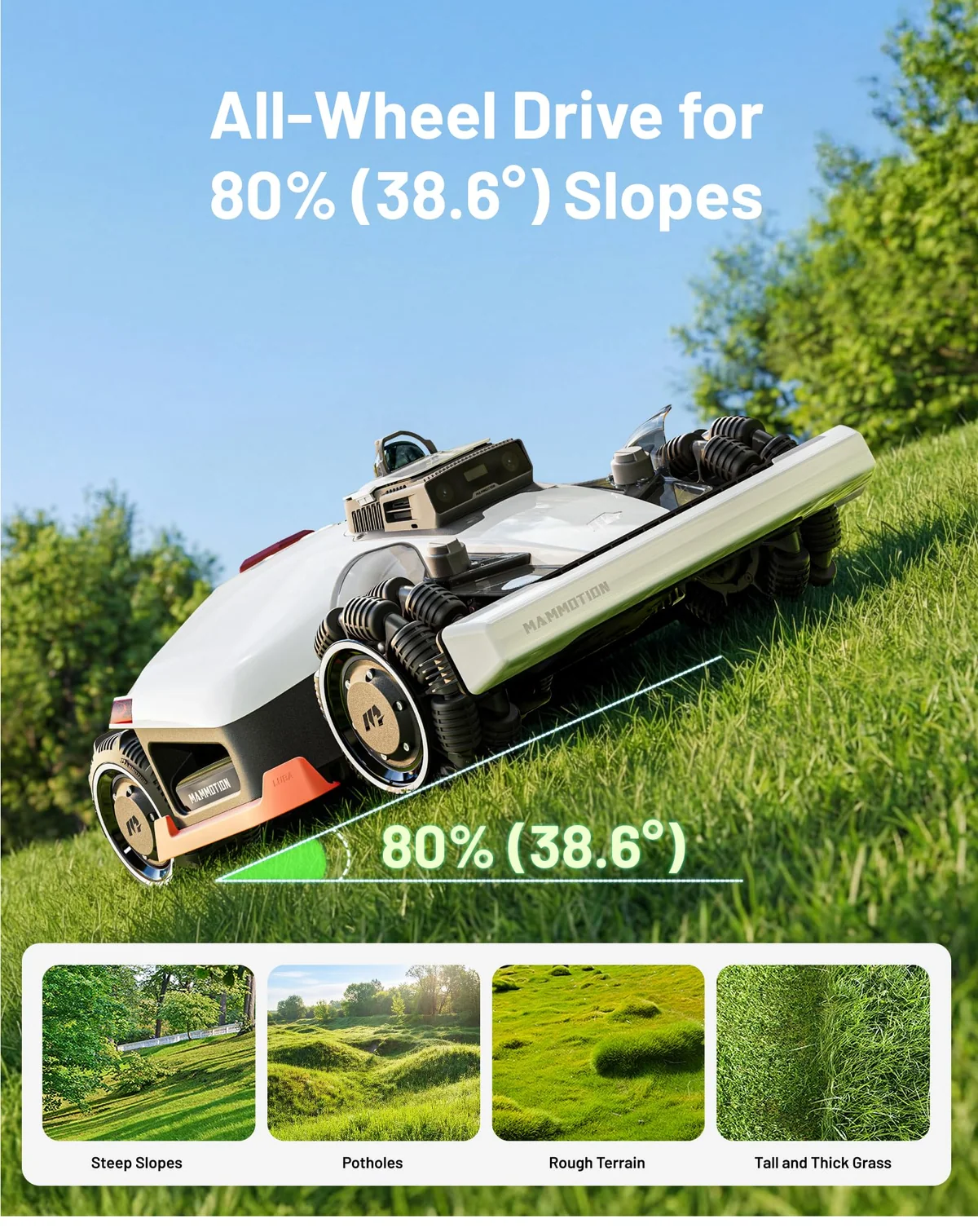
The LUBA 3 AWD 3000H earns its size and complexity when the garden stops resembling a billiard table. Four driven wheels carry its 41-pound body across roots, ruts, mole holes, gravel transitions and banks that leave many two-wheel-drive mowers waiting for rescue. LiDAR, dual cameras and NetRTK then give it several ways to hold position as it moves between open grass, tree cover and buildings.
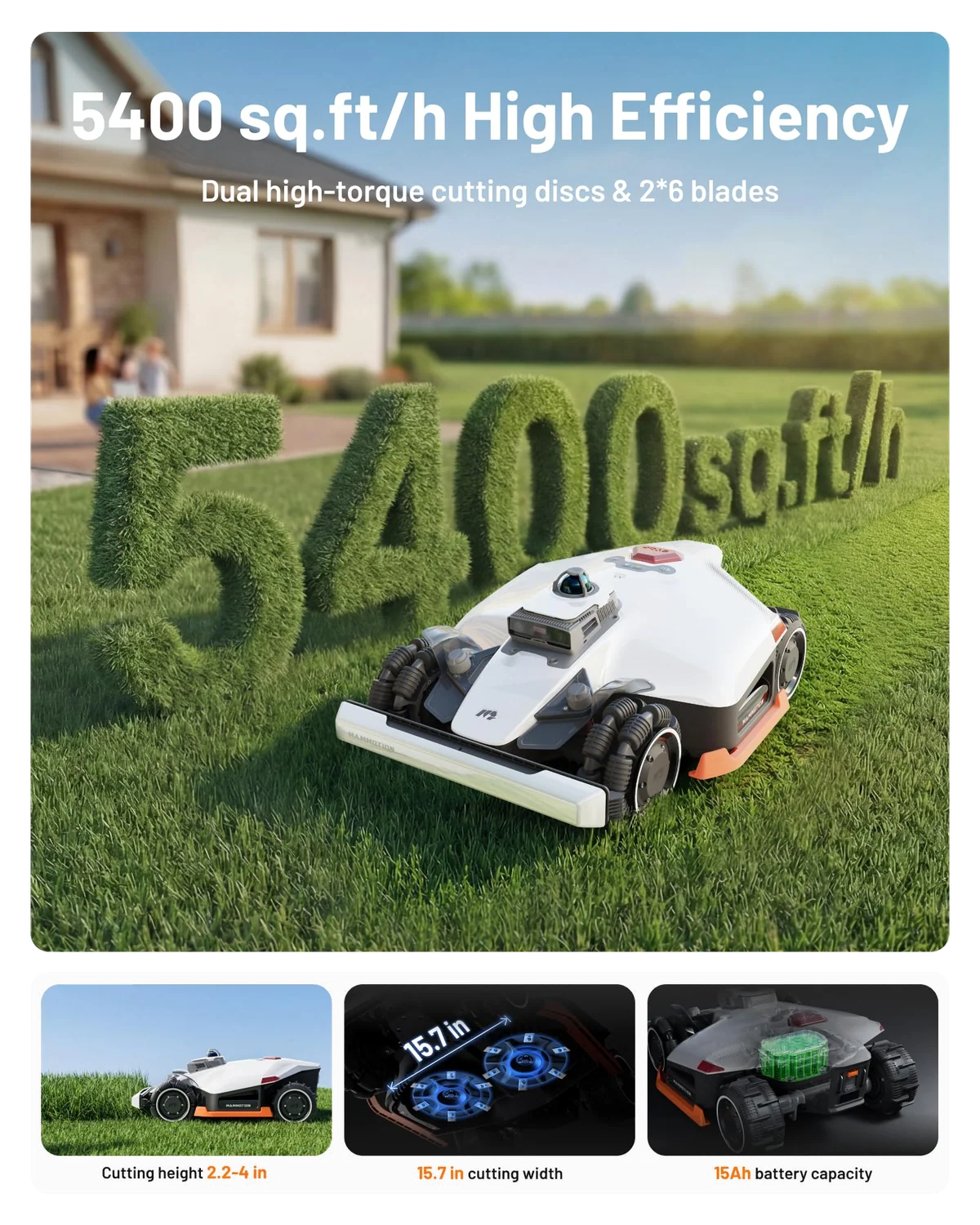
The letter H matters just as much as the AWD badge. Its 2.2- to 4-inch cutting range suits lawns kept substantially higher than the standard 3000 can manage. That makes this the relevant version for many cool-season lawns, rougher country grass and owners who would rather protect the turf than shave it low.
None of that makes it an appliance you can forget. The cutting hardware is convincing, but the app, firmware and repair experience remain less dependable than the chassis. Some exact-model owners describe easy mapping and weeks without a single stranding; others report failed setup, connection lag, damaging updates or hardware trouble. The gap between those experiences is the central risk of buying it.
Key Specifications
Three navigation systems, one mapping decision
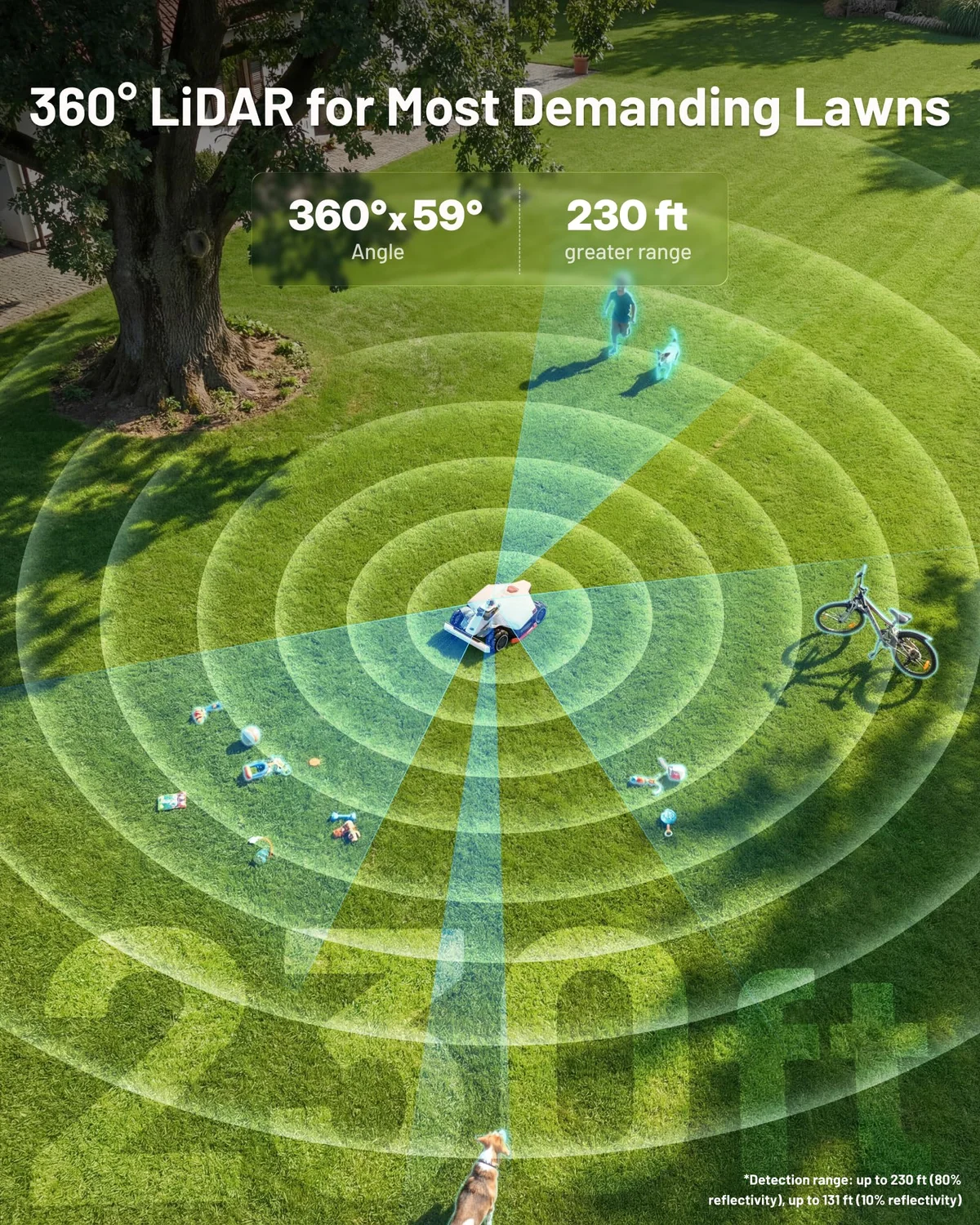
The combination of 360-degree LiDAR, NetRTK positioning and dual-camera vision is more than a specification contest. LiDAR supplies local shape beneath trees and beside structures, NetRTK anchors the mower across large open areas, and the cameras help classify what lies ahead. That combination has held boundaries under canopy and carports while still producing straight runs in open grass.
It does not make automatic mapping trustworthy at an invisible property line. Auto-mapping can work on a simple enclosed lawn, but it can also create jagged boundaries, absorb grass beyond the intended plot or spend hours exploring an area that looks reachable. Manual mapping is faster and safer for complex ground. Driving the perimeter in the app feels like controlling a slow RC car, and reversing to correct a poor segment is easier than repairing an ambitious automatic map later.
Fatal hazards deserve explicit no-go zones. A sensor that avoids a ball or dog in one pass is not a physical barrier beside a pond, road, retaining wall or ditch. The mower has avoided people, pets, toys and low sprinklers in credible demonstrations, yet small pipes, thin utility flags and low covers have also been missed. Clear cords, wire, small toys and anything dangerous if shredded before each run.
“No antenna” comes with a qualifier
The 3000H can work without a boundary wire, and NetRTK can remove the need for a yard-mounted reference antenna where coverage and connectivity cooperate. Several installations have done exactly that. US packages may still include physical RTK hardware, however, and some owners could not begin mapping until they installed it. Treat antenna-free setup as an available mode, not a universal promise.
Three years of 4G data are included, while Mammotion says NetRTK correction service remains free for the life of the product through supported connectivity. After the included mobile-data period, continued remote 4G access requires a subscription. Wi-Fi and 4G are generally more useful after setup than Bluetooth, which has attracted repeated complaints about short range and dropped connections.
What changed from LUBA 2
The substantial generational change is the addition of LiDAR to the established mix of AWD, cameras and satellite positioning. The revised cutting discs also shield the blade fasteners more effectively and resist the grass wrapping that troubled older machines. Those improvements make LUBA 3 better under trees, cleaner underneath and less dependent on one positioning method, but they do not erase the older platform’s habits around turning, edge trimming and software dependence.
Strengths & Limitations
Strengths
- AWD traction carries it across banks, roots, ruts and transitions that stop many two-wheel-drive robots.
- LiDAR, NetRTK and dual cameras maintain useful navigation across both open grass and obstructed areas.
- The 2.2- to 4-inch range suits lawns that should not be scalped to standard robot-mower heights.
- Its wide twin-disc deck leaves clean patterns once the lawn is on a frequent maintenance schedule.
Limitations
- Fixed front rollers and pivot turns can scar soft, sandy, wet or thin turf.
- Automatic mapping is unreliable around invisible boundaries and complex hazards.
- App lag, connection failures and firmware regressions remain credible ownership risks.
- Battery access, parts availability and repair turnaround are weak points for such expensive equipment.
The hill is where the money goes
On firm ground, LUBA’s AWD system is the reason to spend beyond a basic wire-free mower. It has climbed severe banks, crossed rough farm terrain and recovered from traction losses that would beach a lighter two-wheel-drive machine. The published limit is an 80% grade, equivalent to 38.6 degrees, not an 80-degree slope. Even below that ceiling, wet grass, loose soil and fast sidehill travel can cause slipping or drift, so a fence at the bottom of a bank still needs a generous mapped buffer.
The same drivetrain creates the clearest physical drawback. Its fixed front rollers scrub as the mower changes direction, and repeated tank-like turns can damage sandy, soggy, thin or weak turf. The center of a lawn may look excellent while a perimeter band deteriorates at every turn. Multi-point turning is the sensible default, but reports show that it can still finish with a pivot. Put the dock on concrete or paving when possible, because the repeated turnaround before charging concentrates wear in one place.
A maintenance cut, not a rescue mission
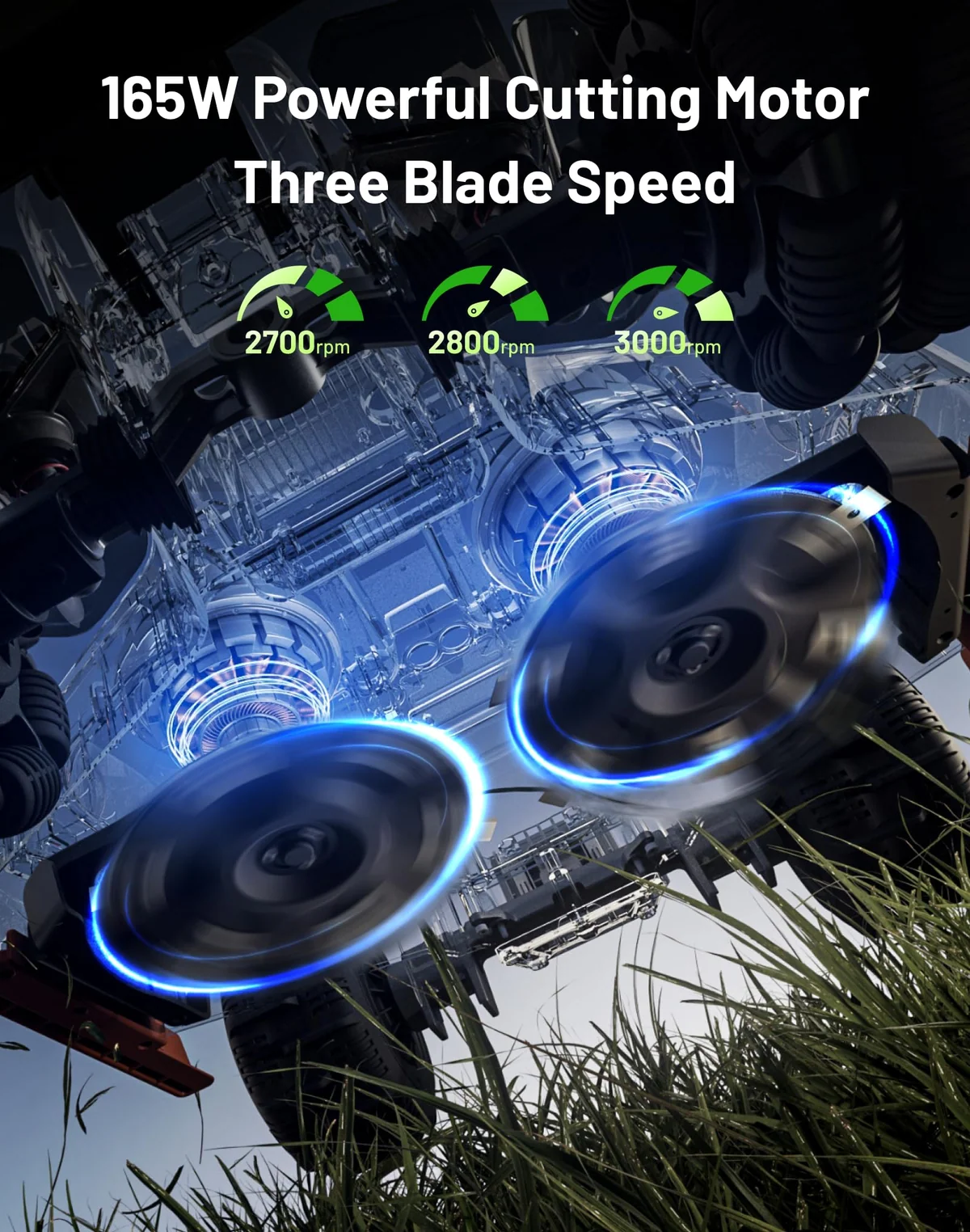
Once grass is near the target height, the two cutting discs produce orderly stripes and fine clippings that disappear into the lawn. Frequent passes are the winning routine. Tall weeds and an overdue first cut expose the limitations: stems may bend, dense tufts may be treated as obstacles, long clippings can sit visibly on top and an aggressive path spacing can leave a narrow missed strip between the discs.
Slow travel, faster blades, tighter overlap and a second pass from another direction improve a difficult first cut, but they also increase elapsed time and energy use. A conventional mower remains the better tool for the first seasonal knockdown. LUBA then takes over the repetitive maintenance. It mulches rather than collects, and a string trimmer is still required around walls, trees, poles, raised beds and awkward corners.
Unattended is the benefit; fast is not
A robot may spend hours completing work a person could finish much sooner. That is not a failure if those hours happen without the owner pushing a mower. The 3000H is rated for 3,000 m², but its claimed per-charge coverage is only 0.35 acre, so a lawn near the maximum will normally involve docking, charging and resuming. Speed, blade power, overlap, slopes, obstacles and pattern choice can all move the finishing time substantially.
Pay for difficult ground, not for the badge
A flat quarter-acre lawn does not give this machine enough trouble to justify its weight, drivetrain and software complexity. The value appears when mowing consumes meaningful time, a bank is unsafe to walk, tree cover confuses simpler navigation or a remote property cannot tolerate a mower that gets stuck twice a week. The savings are active hours, not a faster finish.
For a smaller property, the LUBA Mini 2 1500H is the more proportionate Mammotion. The full-size 3000H beats it when the lawn needs a wider dual-disc deck, more mapped area and the stability of a heavier machine across rough terrain. Do not buy the 3000H for substantially more than 0.75 acre in the hope of unlocking it later, because the area tier is software-limited; the 3000H and 5000H comparison explains the capacity decision.
For most large but less punishing yards, the Segway Navimow X430 is the stronger alternative. Its steerable design is kinder during turns, its deck is wider and its setup is easier to live with. LUBA takes the lead when sensor redundancy and exceptional rough-ground traction matter more than polished daily ownership. The direct LUBA 3 versus Navimow X430 comparison is the useful next stop if the lawn could suit either approach.
The mower is tougher than the ownership experience
Dry maintenance mowing leaves the revised underside unusually clean, but wet, long grass still collects around the discs and rollers. Wipe the cameras and LiDAR, inspect the blades for stone damage and clear packed clippings before they stop a blade from pivoting freely. The IPX6 rating supports rain exposure and a light rinse; it is not permission to pressure-wash seals, bearings and electronics.
The included garage shelters the mower and dock from direct sun, rain and debris, which is worthwhile on equipment that lives outdoors. It does not solve damp charging contacts, wet-grass buildup or winter storage. Its separate delivery also means the mower and shelter may arrive independently, while any physical RTK and power cables still need routing where the wheels cannot catch them.
Battery service is the more expensive unknown. The 12Ah NMC pack does not appear designed as a quick owner swap, and access may require disassembly or service-center work. Long-term LUBA 3 durability is not established yet, while the wider Mammotion record includes both trouble-free multi-season machines and owners who lost weeks or months to repairs.
Support is not uniformly bad, but it is inconsistent enough to affect the purchase. Successful cases include prompt replacement parts and responsive troubleshooting. The other side includes repeated requests for logs and videos, uncertain repair dates, limited parts availability and peak-season downtime. Buy through a retailer with a strong return or exchange process if losing the mower for part of summer would leave you stranded.
Sources (22)
- Amazon listings and customer reviews — Mammotion Luba 3 Awd
- Owner reports across r/MammotionTechnology threads
- Owner and reviewer video, 26 channels
- Pcworld — Article — www.pcworld.com
- Toptenreviews — Article — www.toptenreviews.com
- Easylawnmowing — Article — easylawnmowing.co.uk
- Mammotion — Article — us.mammotion.com
- Trustpilot — Article — au.trustpilot.com
- Thetechnologyman — Article — thetechnologyman.com
- Easylawnmowing — Article — www.easylawnmowing.com
- Homedepot — Article — www.homedepot.com
- Mammotion — Article — mammotion.com
- Carplaylife — Article — www.carplaylife.com
- Trustpilot — Article — uk.trustpilot.com
- Freshlycharged — Article — freshlycharged.com
- Androidauthority — Article — www.androidauthority.com
- T3 — Article — www.t3.com
- Facebook — Article — www.facebook.com
- Au — Article — robotlawnmowers.com.au
- Smarthomejunkie — Article — www.smarthomejunkie.net
- Iheart — Article — rocketerie.iheart.com
- Techradar — Article — www.techradar.com