The Navimow X430 wins the acre; the WORX WR344 wins the awkward parts.
Buy the Navimow X430 for most large or steep lawns, and choose the WORX WR344 instead only when its narrower body, gentler articulation and removable battery matter more than finishing quickly.
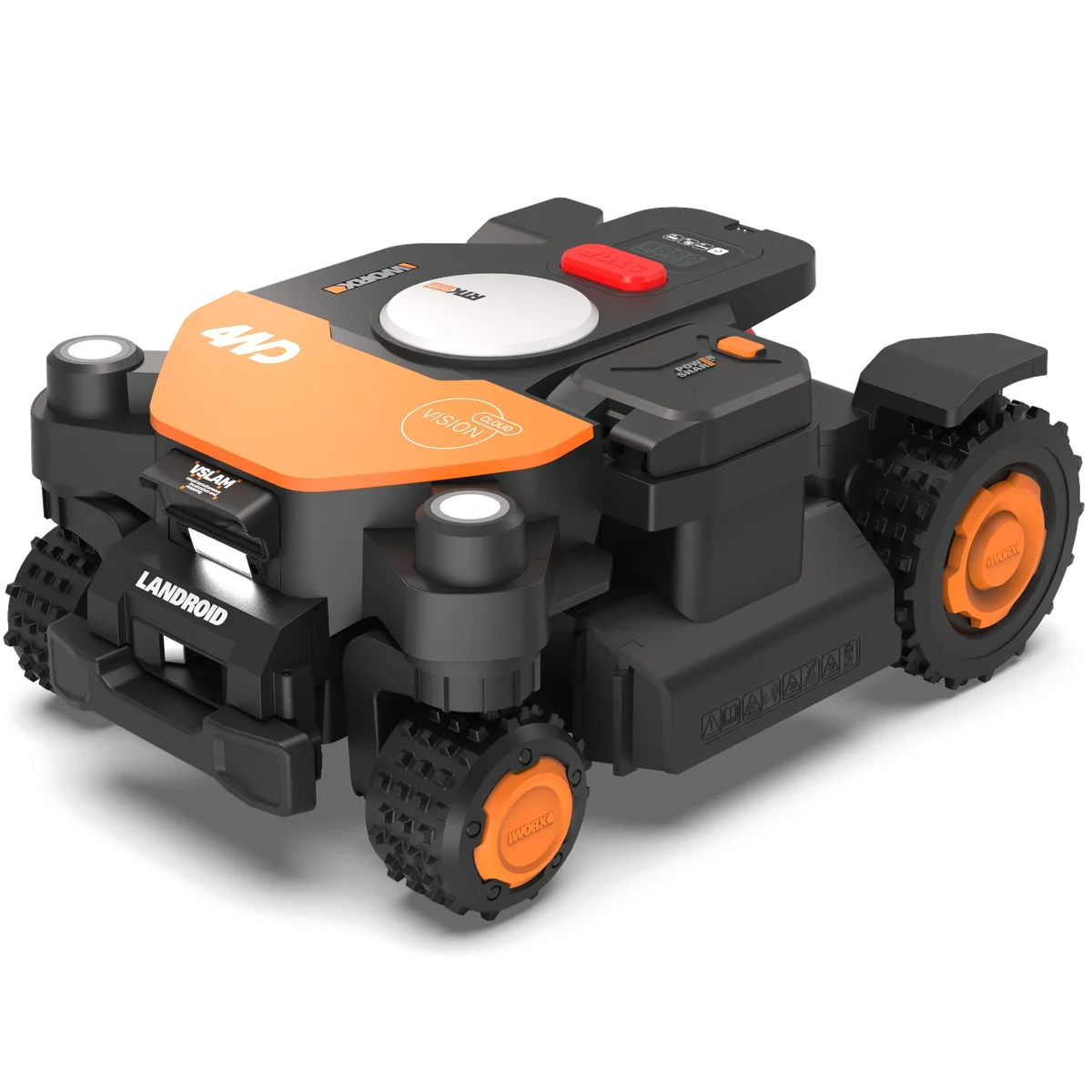
WORX WR344
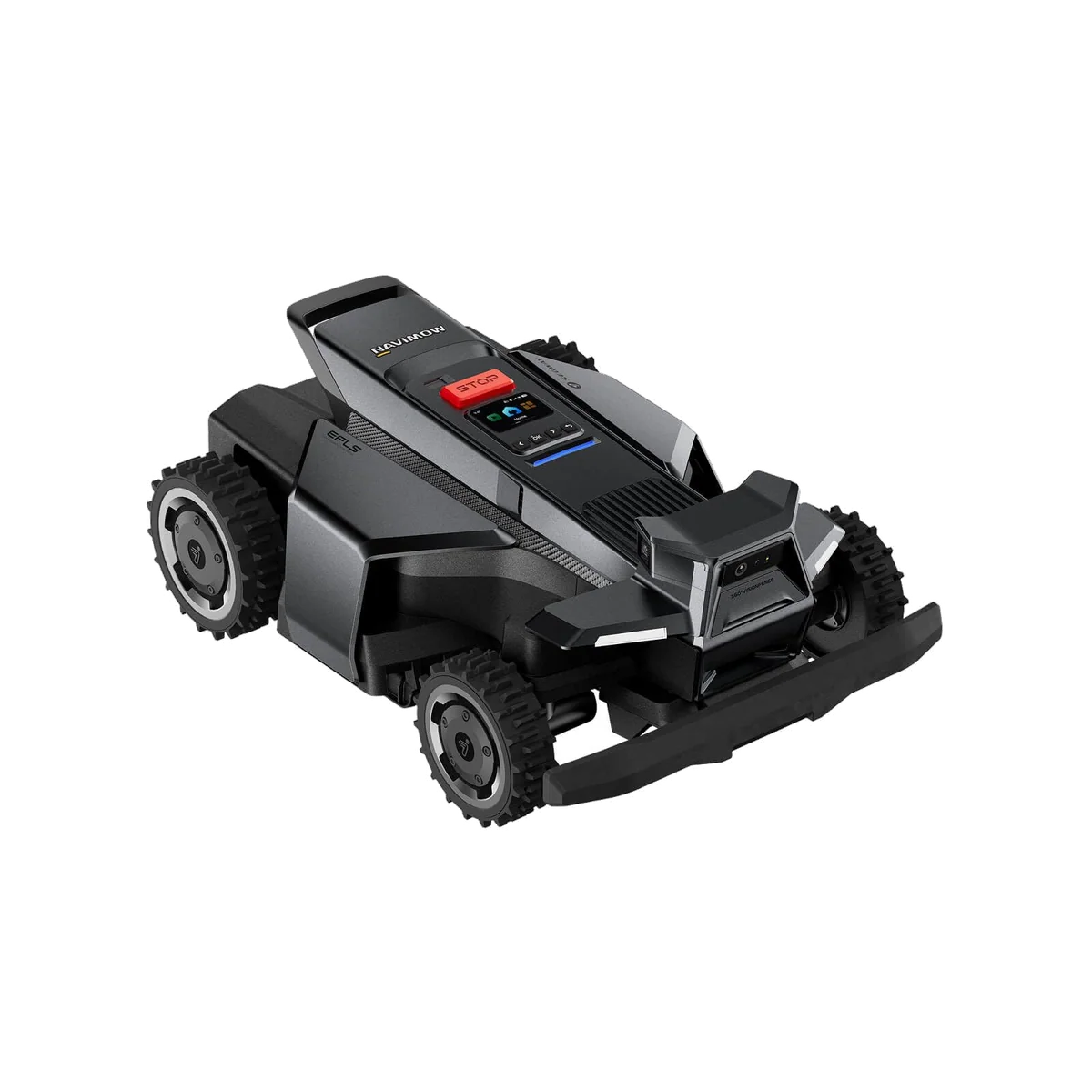
Navimow X430
These are not two ordinary robot mowers wearing aggressive tires. Both have four-wheel drive, steerable front wheels, virtual boundaries and a claimed maximum grade of 84%, or roughly 40 degrees. Both are designed for the sort of acre that contains roots, banks and awkward transitions rather than one flat rectangle behind a new house.
The separation happens after the mower reaches open grass. The Navimow X430 cuts a 17-inch path with two discs and 12 blades, while the WORX WR344 works through 8.7 inches at a time. That difference is decisive on a large property. The X430 can move through an acre with the authority its size suggests; the WR344 depends on many short mowing, charging and resuming cycles to maintain the same nominal area.
The WORX counters with a compact articulated chassis, particularly graceful turning and a removable PowerShare battery. Around narrow landscaping, uneven borders and repeated direction changes, it can look like the more considered machine. Its problem is that brilliant mechanical design does not cancel unreliable commissioning, false vision stops or the sheer patience demanded by a narrow deck.
| Decision point | Navimow X430 | WORX WR344 |
|---|---|---|
| Rated mapped area | Up to 1 acre | Up to 1 acre |
| Cutting width | 17 inches | 8.7 inches |
| Cutting height | 0.75 to 4 inches | 1.57 to 3.54 inches |
| Advertised maximum grade | 84%, about 40° | 84%, about 40° |
| Battery access | Internal replacement procedure | Removable 20V PowerShare pack |
| Best fit | Fast maintenance of a large, difficult lawn | Tight, rough terrain where maneuverability leads |
An acreage rating is a scheduling allowance, not a promise that either mower will finish the property on one charge, and the site’s guide to what robot-mower acreage ratings really mean explains why measured grass area matters more than lot size.
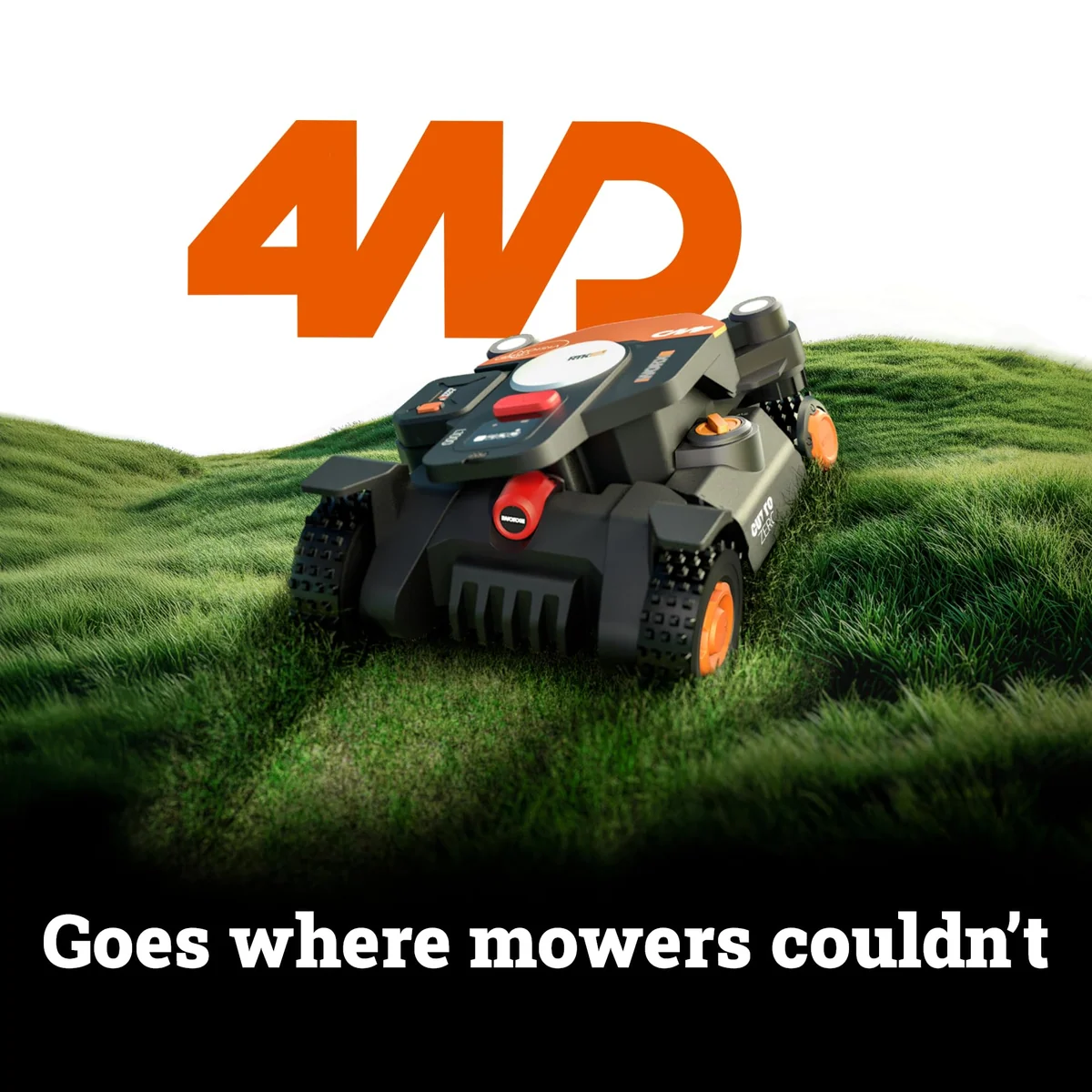
WORX WR344

Navimow X430
At a Glance
| Feature | WORX WR344 | Editor's Pick Navimow X430 |
|---|---|---|
| Price Range | $1,500–$3,000 | $1,500–$3,000 |
| Cutting height | 1.57–3.54 in | 0.75–4 inches |
| Recommended lawn size | Up to 1 acre | Up to 1 acre of mapped grass |
| Cutting width | 8.7 in | 17 inches |
| Check Price on Amazon | Check Price on Amazon |
The X430 wins by doing more grass between turns
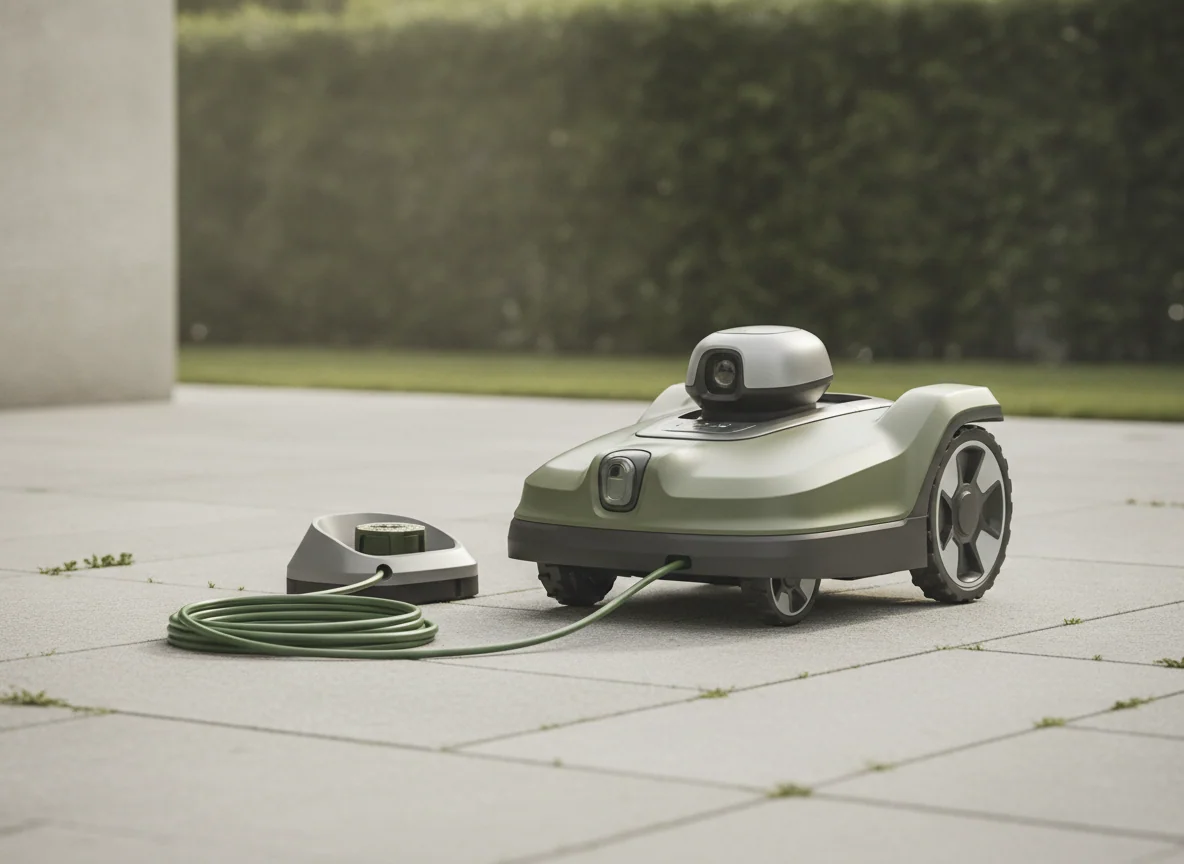
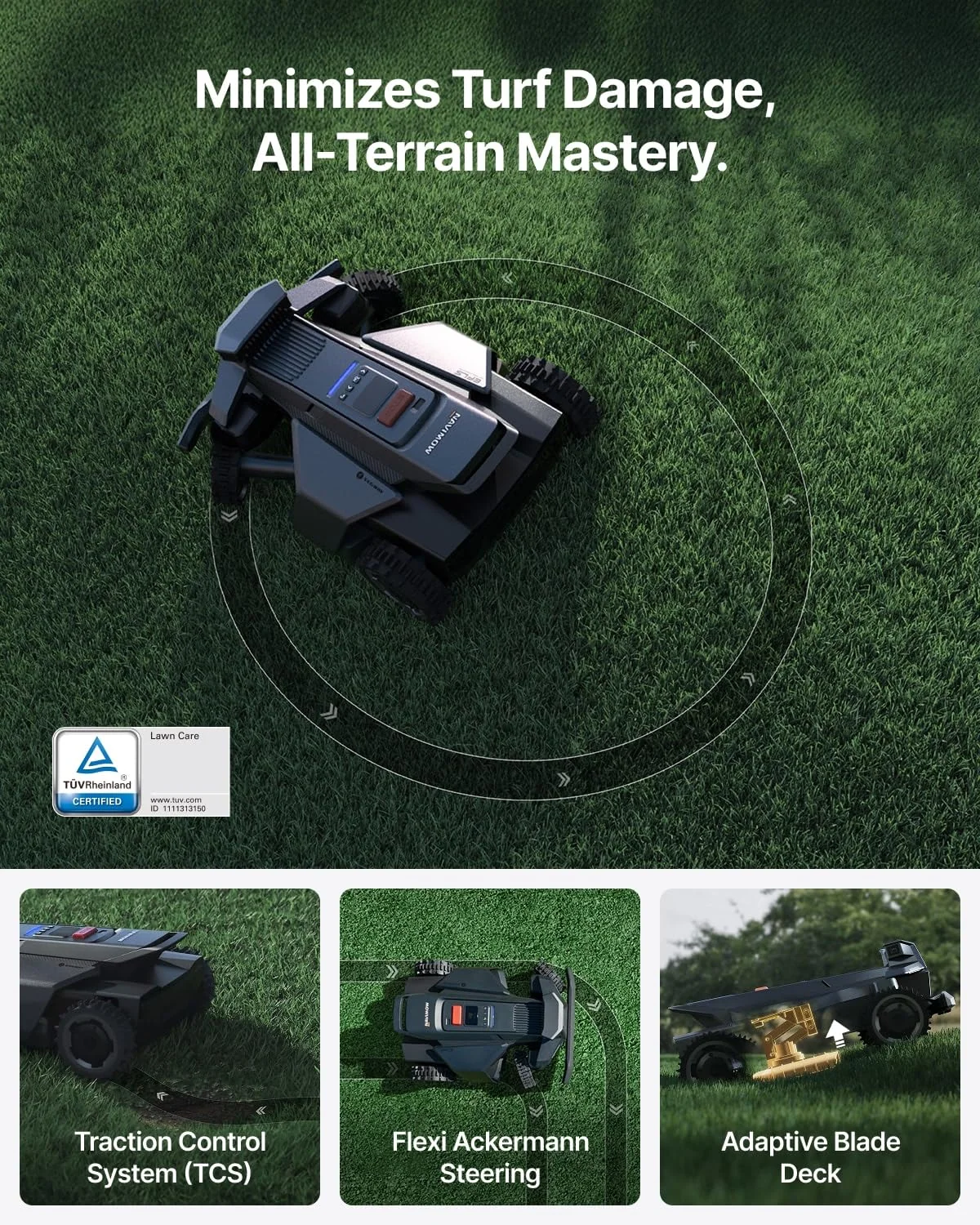
The Navimow X430 is the one-acre mower for open ground, tall turf and serious throughput.
Its wide dual-disc deck, four-inch maximum cut and assured 4WD chassis make it the stronger complete package for most difficult acres.
Dock placement can become a trial-and-error project, and one severe report of an uncontrolled height drop makes the first mowing cycles something to supervise rather than trust blindly.
Why the wider deck changes ownership
Seventeen inches is not merely a nicer specification beside the WORX mower’s 8.7-inch deck. It changes how much of the week the machine spends crossing the lawn. Fewer passes mean fewer journeys through connecting channels, fewer charging interruptions and a better chance of completing a zone before rain or debris stops the schedule.
The cutting range is equally practical. A four-inch ceiling suits tall fescue and hot-weather mowing that the WR344’s 3.54-inch maximum cannot quite match. The X430 still works best as a maintenance mower, taking small amounts from grass that has already been brought under control. Flattened blades, heavy leaves, pine cones and branches remain jobs for later passes or human hands.
Its terrain hardware earns the flagship scale. Suspension, four-wheel traction and steerable front wheels help over roots, ruts and driveway transitions without relying on turf-scrubbing skid turns. Repeated traffic can still wear a route to the dock, so “damage-free” steering should not be mistaken for damage-proof scheduling.
The property must accept the installation
The X430’s Network RTK and vision system remove the perimeter wire, but they do not remove siting work. The dock needs power, firm ground and a location the positioning system accepts. Buildings and reflected signals can matter as much as tree cover, which is why one suitable patch of open sky can be more valuable than hours spent editing a bad map.
A complete restart after firmware installation can also be the difference between chaotic wandering and straight systematic lanes. Thin straps, cords and low debris may pass beneath the cameras, while walls, raised beds and tight corners still leave trimming. The full Navimow X430 review covers those setup and ownership risks in detail.
Strengths
- The 17-inch dual-disc deck gives a large lawn credible daily throughput.
- Four-wheel traction, suspension and front steering suit roots, slopes and rough transitions.
- The 0.75-to-4-inch height range supports both short turf and tall fescue.
Weaknesses
- Acceptable dock positioning may take several attempts near buildings or obstructed sky.
- Repeated travel routes can wear visible tracks through otherwise tidy grass.
- The reported height-control failure is rare evidence with consequences too serious to ignore.
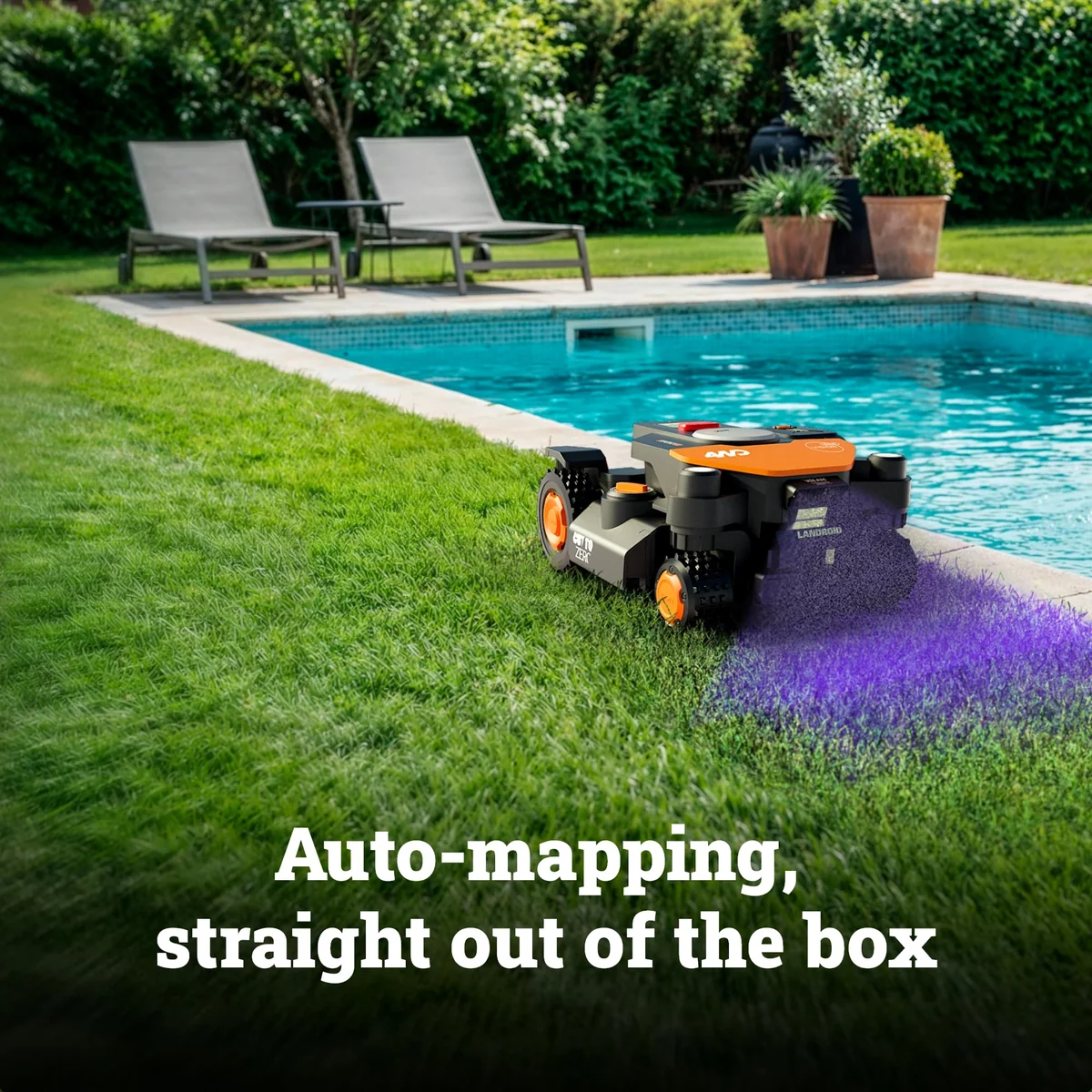
The WORX WR344 is the specialist for constricted, uneven lawns that reward finesse more than speed.
Its compact articulated body, true front steering and owner-replaceable battery make it unusually convincing where tight passages and hostile ground dominate the job.
The 8.7-inch deck makes acre coverage slow, while Wi-Fi, SIM, NTRIP and vision errors can turn an autonomous schedule into a recurring support task.
The better chassis is attached to the riskier experience
The WR344 can thread between beds and cross rough transitions with a delicacy that large 4WD machines do not always manage. Its articulated body keeps the wheels engaged over uneven ground, and its steering changes direction without grinding one side of the mower across the turf. On a complicated connected lawn, that behavior can matter more than raw cutting width.
Cut quality is excellent once the map is healthy and the grass is short and dry. Parallel, checkerboard and diamond routes leave precise narrow patterns, while the offset edge blade reduces trimming beside flush paving. Walls, posts, corners and raised borders still leave a strip, so Cut-to-Zero is a reduction in edging rather than its disappearance.
The ownership objection is plain. Commissioning can stall at Wi-Fi, cellular activation or cloud correction, and hard shadows, bare patches, tall tufts or low branches can trigger false obstacles and trapped errors. Some installations settle into weeks of almost untouched operation; others never escape setup trouble. That split makes the return period part of the product rather than an administrative detail.
The removable PowerShare battery is the clearest long-term advantage over the X430. A worn pack can be replaced without turning the mower into a service appointment, and compatible batteries are shared with other WORX tools. It does not solve the narrow deck, but it prevents one ordinary consumable from becoming the machine’s obituary.
This comparison covers the U.S. WR344, not the European WR344E, whose battery, accessories, warranty and connectivity terms may differ despite the closely related Vision Cloud 4WD design; the complete WORX WR344 review keeps those regional labels separate.
Strengths
- The articulated 4WD chassis handles irregular ground without routine skid-turn damage.
- The narrow body is useful around tight landscaping and constrained passages.
- The removable PowerShare battery makes eventual replacement unusually straightforward.
Weaknesses
- The 8.7-inch cutting path requires many passes and charging cycles on a full acre.
- Cloud activation and positioning faults can prevent the mower from starting useful work.
- Shadows, weeds, bare ground and low branches can provoke unnecessary stops.
WORX WR344
Navimow X430
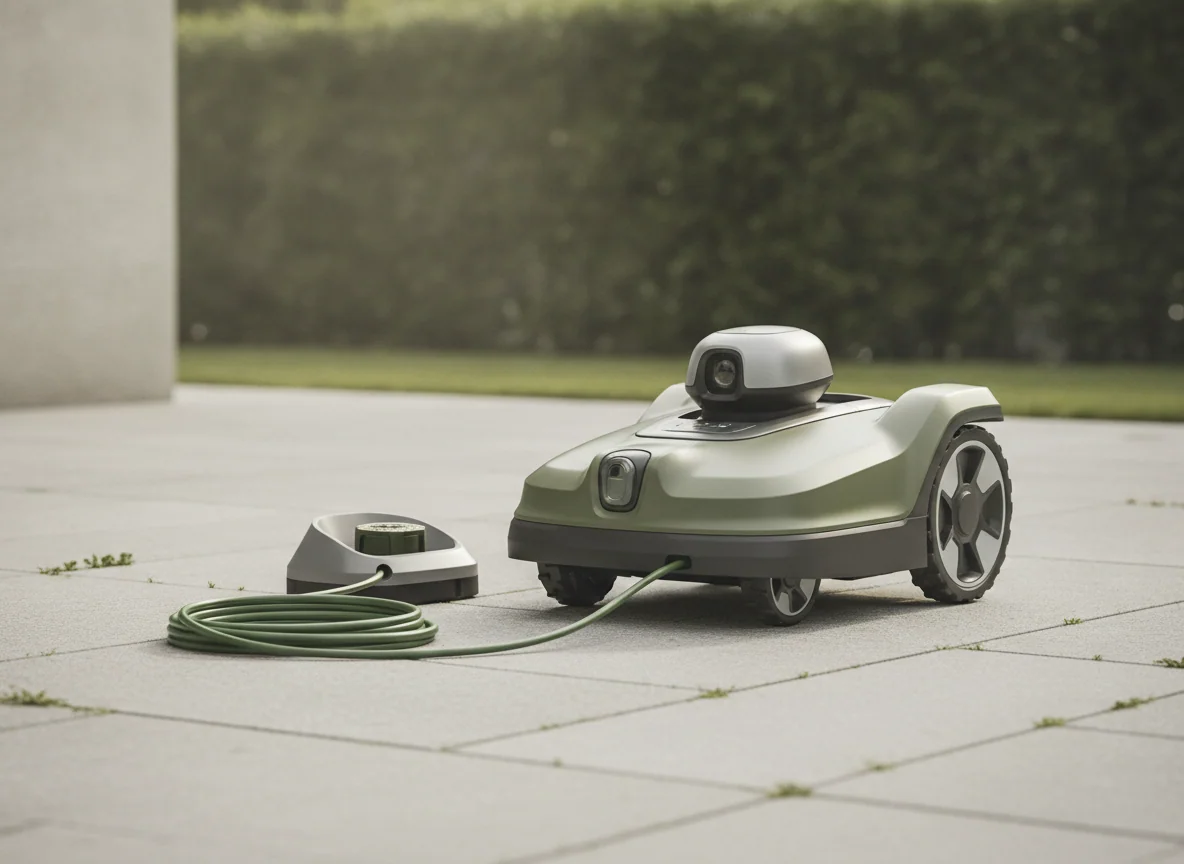
Choose the lawn, not the logo
Choose the Navimow X430 when most of the property is open enough to exploit a 17-inch deck, when the preferred grass height reaches toward four inches, or when completing zones promptly matters. It is also the stronger remote-property choice once the map and dock have proved reliable, although somebody still needs to be available when storm debris or a flat battery requires physical intervention.
Choose the WORX WR344 when the lawn is one connected maze of narrow routes, tight landscaping, roots and steep transitions. It is the defensible exception for an owner willing to trade speed and software certainty for a smaller, more repairable machine with exceptional mechanical manners.
Walk away from both if the yard is divided by gates that will stay closed, if dangerous drops cannot be given generous exclusions, or if nobody wants to clear cords and storm debris before mowing. The guide to robot mowers and disconnected lawn zones explains why a saved map cannot substitute for a physical route home.
A smaller lawn enclosed by trees or buildings should not pay for an acre-class chassis merely to fight satellite reception. The Navimow i215 and X430 comparison shows when compact LiDAR navigation is the better answer, while properties with more than an acre of actual grass should consider the larger coverage allowance in the LUBA 3 AWD 5000H and X430 comparison.
For the direct choice, Smart Lawn Bots picks the Navimow X430 because a one-acre mower must first be convincing at mowing an acre, while the WR344 earns its narrower victory only where the terrain makes finesse more valuable than time.
Frequently Asked Questions
Which mower is better for a full acre?
The Navimow X430 is the better full-acre choice because its 17-inch deck covers substantially more grass per pass than the WORX WR344’s 8.7-inch deck.
Which mower is better on steep or uneven ground?
Both claim an 84% maximum grade and use 4WD with steerable front wheels, but the WORX is more maneuverable in tight terrain while the Navimow combines excellent traction with much faster coverage.
Do either of these mowers need a perimeter wire?
Neither requires a buried boundary wire, although both still need virtual mapping, reliable positioning, a powered dock and safe physical routes between every autonomous zone.
Will either mower eliminate edge trimming?
No, both can reduce trimming beside flush paving, but walls, posts, raised beds, corners and abrupt drops still leave grass beyond the cutting geometry.
Ready to Choose?
Sources (39)
- Amazon listings and customer reviews — Worx Wr344 and Navimow X430
- Owner reports across r/roboticLawnmowers, r/2011, r/pistols and 3 more threads
- Owner and reviewer video, 51 channels
- Walmart listing
- Target listing
- Lawncraftsupply — Article — lawncraftsupply.com
- Reviewed — Article — www.reviewed.com
- Facebook — Article — www.facebook.com
- Homedepot — Article — www.homedepot.com
- Lowes — Article — www.lowes.com
- Easylawnmowing — Article — easylawnmowing.co.uk
- WORX — Article — www.worx.com
- Easylawnmowing — Article — www.easylawnmowing.com
- Freshlycharged — Article — freshlycharged.com
- Ai — Article — www.robotmower.ai
- Homeandgardenselect — Article — homeandgardenselect.com
- Dreamhomeplace — Article — dreamhomeplace.com
- Mensjournal — Article — www.mensjournal.com
- Ibisik — Article — www.ibisik.com
- Smarthomecompared — Article — smarthomecompared.com
- Requiemforadream — Article — www.requiemforadream.com
- Toptenreviews — Article — www.toptenreviews.com
- Expertreviews — Article — www.expertreviews.co.uk
- Segway — Article — navimow.segway.com
- Trustedreviews — Article — www.trustedreviews.com
- Navimow — Article — navimow.com
- Trustpilot — Article — www.trustpilot.com
- Pcworld — Article — www.pcworld.com
- Notebookcheck — Article — www.notebookcheck.net
- Mowingmagic — Article — mowingmagic.com
- Smart Dots — Article — www.smart-dots.com
- Cnygreenteam — Article — cnygreenteam.com
- Nytimes — Article — www.nytimes.com
- Trustpilot — Article — ie.trustpilot.com
- Cnet — Article — www.cnet.com
- Yarbo — Article — www.yarbo.com
- Mammotion — Article — us.mammotion.com
- Consumerreports — Article — www.consumerreports.org
- Eu — Article — www.letemsvetemapplem.eu